

Imagine finding a "pioneering" new tool that promises to change the world, but when you actually open the door, the building is empty. That is the exact feeling you get when looking into KAIDEX v3 is a decentralized exchange (DEX) built on the KardiaChain Network designed to integrate Web3 and DeFi functionalities. It aims to drive mass adoption of decentralized finance, but there is a massive gap between its marketing brochures and the actual data.
The Big Picture: What is KAIDEX v3?
Launched in 2022, KaiDex entered the scene as the third version of its platform. It doesn't operate like a traditional exchange where a company holds your money; instead, it's a non-custodial platform where trades happen directly between users via smart contracts. It lives exclusively on the KardiaChain Network, which means it's essentially a local shop in a very specific neighborhood of the crypto world.
The project centers around its own governance token, $KDX, which is supposed to let holders vote on the platform's future. In a healthy ecosystem, this creates a cycle of growth: users trade, provide liquidity, and use their tokens to steer the ship. However, for a KAIDEX v3 review to be honest, we have to look at the numbers, and the numbers are worrying.
The Red Flags: Trust and Liquidity
If you are looking for a place to move significant capital, the first thing you check is the trust score and liquidity. On CoinGecko, a leading crypto data aggregator, KAIDEX v3 holds a trust score of 0. For anyone who has traded crypto for more than a week, a zero trust score is a flashing neon sign that says "Proceed with extreme caution."
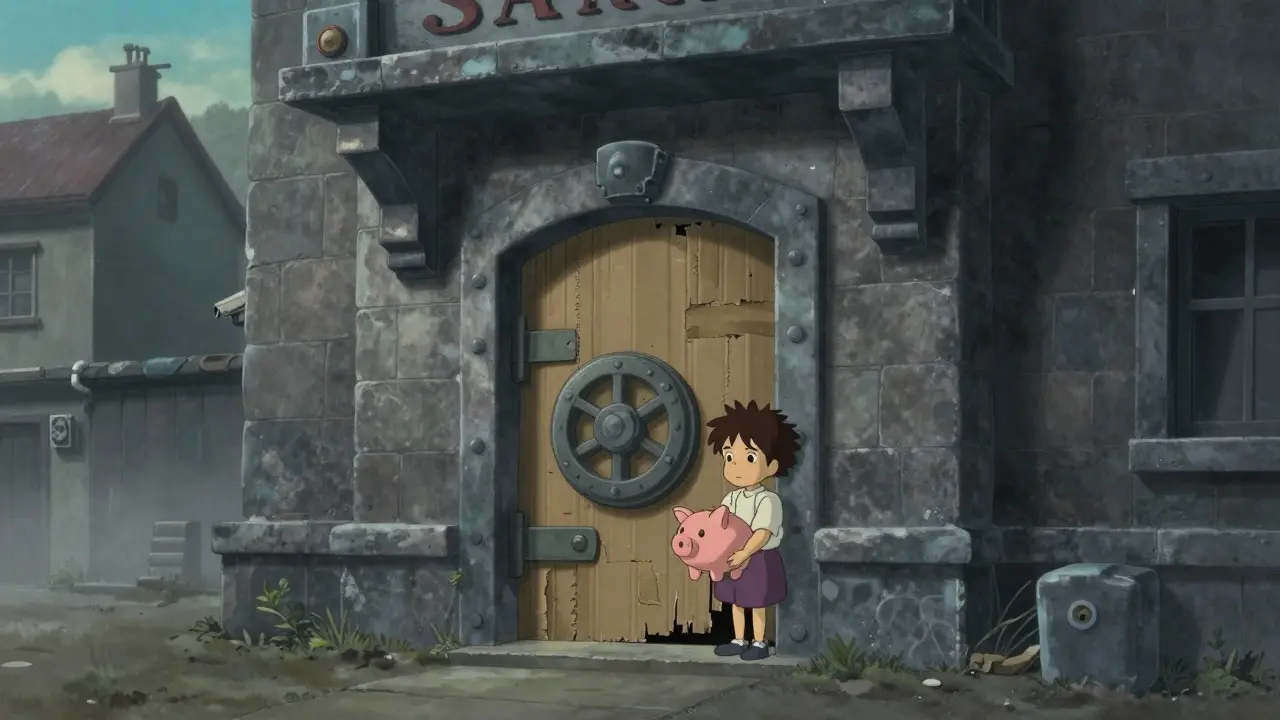
Liquidity is the lifeblood of any exchange. Without it, you suffer from "slippage," where the price you see isn't the price you actually get. While the platform highlights the KDX/KAI trading pair, the actual activity is ghost-town quiet. By late 2025, data indicated zero cryptocurrencies were actively trading and zero transactions had occurred in a 30-day window. When a DEX has no trades, it's effectively just a piece of code sitting on a blockchain with no one using it.
| Feature | KAIDEX v3 | Uniswap V3 | PancakeSwap V3 |
|---|---|---|---|
| Network | KardiaChain | Multi-chain (Ethereum, etc.) | Multi-chain (BSC, etc.) |
| Trust Score | 0 (Low) | High | High |
| Trading Activity | Near Zero | Billions Daily | Billions Daily |
| Asset Variety | Extremely Limited | Thousands | Thousands |

The User Experience: A Steep Hill to Climb
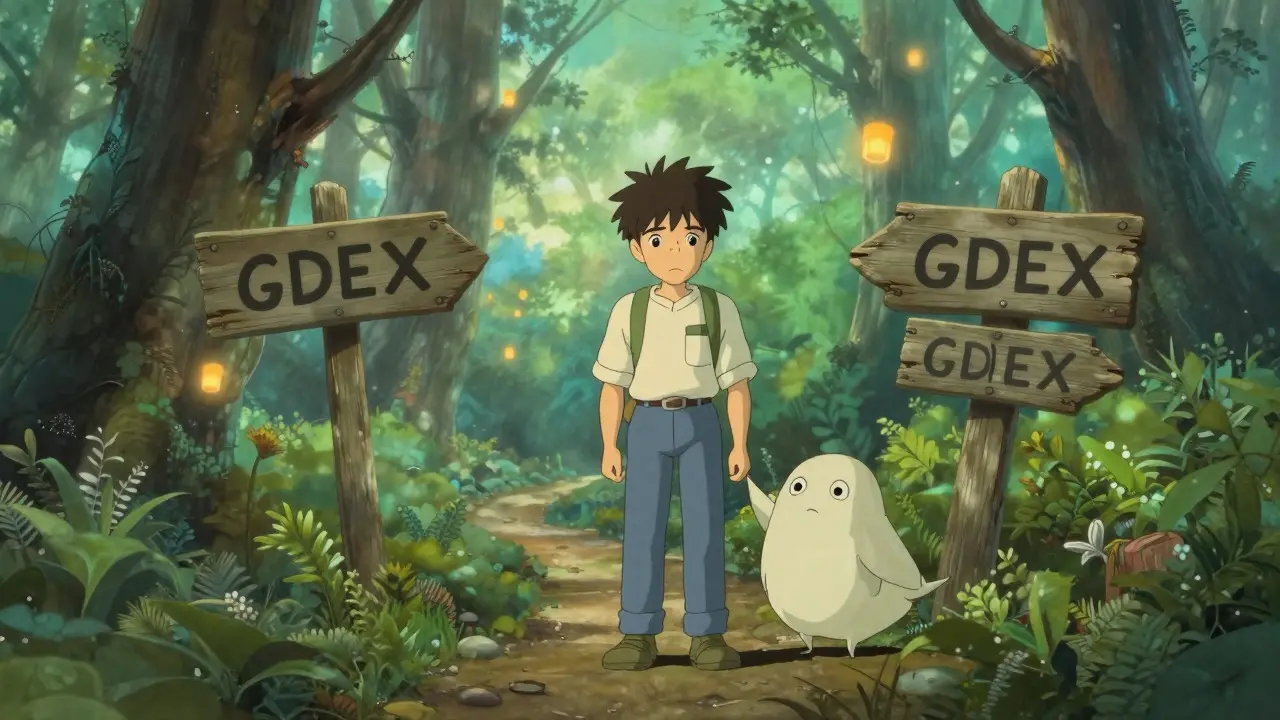
Getting started with KAIDEX v3 isn't as simple as connecting a wallet and swapping tokens. Because it is locked into the KardiaChain ecosystem, you have to deal with the friction of bridging. Bridging is the process of moving assets from one blockchain (like Ethereum or Solana) to another. This adds extra steps, extra fees, and extra risk.
Once you've bridged your assets, you need KAI tokens, the native asset of the network, just to pay for the gas fees of your transactions. For a platform that claims to want "Web3 Mass Adoption," requiring users to jump through these hoops just to enter a marketplace with no active traders is a contradiction in terms. A user-friendly experience should feel seamless; this feels like an obstacle course.
Comparing the Hype to the Reality
The platform's marketing talks about being a "pioneering" force in DeFi. In the world of Decentralized Finance (DeFi), pioneering usually means introducing new liquidity pools or innovative automated market makers (AMMs). But innovation is measured by adoption. When you look at platforms like Curve Finance or Raydium, you see communities debating strategies and developers building tools on top of them.
In contrast, search results for KAIDEX v3 on Reddit or X (formerly Twitter) are virtually empty. There are no active community discussions, no detailed trading guides from users, and no technical debates. In crypto, silence is rarely a good sign. Usually, a project with this level of invisibility is either dead in the water or failing to attract any real interest despite its promises.

Verdict: Should You Use It?
If you are a KardiaChain enthusiast who already holds KAI and wants to experiment with a very low-volume environment, the platform is there. But for the average investor or trader? The risks far outweigh the rewards. Trading on an exchange with zero recorded volume and a zero trust score is a gamble, not a strategy.
The disconnect between the ambitious goals of "democratizing finance" and the reality of an empty order book is too wide to ignore. Until KAIDEX v3 can show actual transaction growth, a transparent security audit, and a growing community of real users, it remains a cautionary tale of over-promising and under-delivering in the Web3 space.
Is KAIDEX v3 a scam?
While there is no definitive proof of a "rug pull," the trust score of 0 on CoinGecko and the lack of trading activity are major red flags. Any platform with no transparency and no users should be treated as high-risk.
What is the $KDX token used for?
$KDX is the governance token for the platform. In theory, it allows holders to vote on changes to the exchange. However, since there is almost no activity on the platform, the actual utility and value of the token are currently very low.
Which blockchain does KAIDEX v3 run on?
It runs exclusively on the KardiaChain Network. This means you cannot use it directly with assets on Ethereum or BNB Chain without first using a bridge to move your funds to KardiaChain.
How does KAIDEX v3 compare to Uniswap?
Uniswap is a global leader with billions in liquidity and thousands of pairs across multiple chains. KAIDEX v3 is a niche, single-chain DEX with minimal liquidity and almost no trading volume, making it significantly less reliable and versatile.
Are there any active trading pairs on KAIDEX v3?
The KDX/KAI pair is the primary one mentioned, but recent data from 2025 suggests that active trading has effectively stopped, with zero transactions recorded over 30-day periods.
Next Steps and Troubleshooting
If you have already deposited funds into KAIDEX v3 and are finding it impossible to trade due to low liquidity, your best bet is to attempt to withdraw your assets back to your private wallet immediately. If you are seeing "slippage" errors, it's because there isn't enough of the opposite token in the pool to complete your trade.
For those looking for a safer alternative, stick to multi-chain DEXs that have undergone multiple third-party security audits and maintain a high Total Value Locked (TVL). Always check data aggregators like CoinGecko or DeFi Llama before committing funds to any new or niche exchange.





7stargee Emmanuel Obani
April 9, 2026 AT 10:18typical low cap garbage lol 🤡 just another waste of time for people who dont know how to read a chart
daniella davis
April 11, 2026 AT 10:05Honestly, it's just so embarassing that some people actually think bridging to a ghost chain is a "strategy."
Like, please, if you dont already know that zero trust scores are basically a death sentence, why are you even in this space? it's actually hilarious that anyone needs a whole article to realize this is a joke. some of us just have the basic intuition to avoid these bottom-tier projects without needing a tutorial.
Kieran Smith
April 12, 2026 AT 23:02wow, didnt realyze it was that bad... thnx for the warning!! maybe they just need more time to grow? hope things get bettr for the devs if they are actualy trying.
Lela Singh
April 14, 2026 AT 13:34Purely radioactive! ☢️ Stick to the heavy hitters like Uniswap and keep your bags safe. Total disaster!
Carroll Foster
April 15, 2026 AT 04:54Oh sure, because a zero-liquidity pool is exactly what the market needs for its "mass adoption" phase.
Absolutely love how these projects use high-level jargon like "non-custodial integration" to distract from the fact that the order book is a desolate wasteland. Truly a masterclass in vaporware marketing.
Kelly Cantrell
April 16, 2026 AT 22:14This is exactly how they get you. They create these niche networks to isolate your funds so you can't move them back to a secure US-based or global exchange easily. It's a trap designed to bleed the retail investor dry while they hide behind the "decentralized" label. Don't trust the bridge, that's where the real theft happens in these shadow protocols.
Hope Johnson
April 17, 2026 AT 22:54It is interesting to consider how the drive for decentralization often leads to this fragmentation of liquidity, where we create a thousand tiny islands of finance instead of a cohesive ocean. When we prioritize the "idea" of a new chain over the actual utility and human connection of a trading community, we end up with these digital ruins. We should ask ourselves if the pursuit of a new token ticker is worth the sacrifice of security and stability, as the void left by a lack of community is where the most risk resides for the common person trying to find a way forward in this digital age.
Terrance Hausmann
April 18, 2026 AT 17:41I see both sides here. While the data is bleak, some early-stage projects do start slow. However, the lack of activity is a huge red flag that can't be ignored for the sake of safety.
ssjuul z
April 20, 2026 AT 06:19Exactly! 🚀 Safety first always! Let's all just move to the platforms that actually have the volume to support us! 💪
Will Dixon
April 22, 2026 AT 02:24yeah it looks like a bad idea. just use the big ones and dont get tricked by the hype stuff. keep it simple guys.
Rima Dinar
April 22, 2026 AT 02:55I really believe that for anyone who is feeling discouraged by these kinds of reports, the best thing you can do is take a step back and educate yourself on the basics of liquidity and trust scores before jumping into the next big thing. It takes time to learn how to spot these patterns, and it's okay to feel overwhelmed by the amount of information out there, but if you just take it one step at a time and use the tools like CoinGecko mentioned in the post, you will eventually find the confidence to navigate these waters without losing your hard-earned savings to a project that isn't ready for prime time.
Surender Kumar
April 23, 2026 AT 18:33true stuff... just chill and watch from the side with this one haha. no need to rush into a ghost town.