
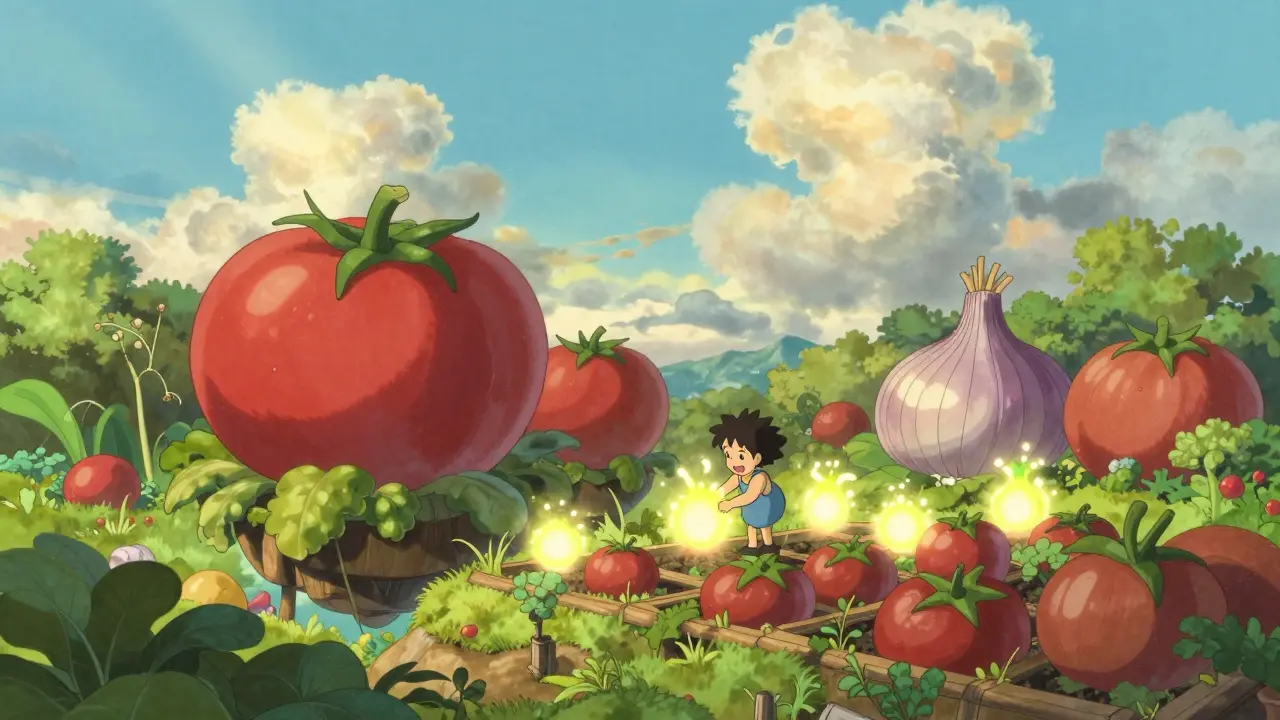
If you're hunting for a massive, free OneRare Ingredient NFT airdrop where tokens just land in your wallet for doing nothing, you might be surprised. In the world of the Foodverse, getting your hands on assets isn't usually about a random giveaway; it's about playing the game. OneRare has built a system where you earn your ingredients through active participation and staking, rather than traditional one-time airdrop events. If you want to start building your digital kitchen, you'll need to understand how the ecosystem actually moves.
What is OneRare and the Foodverse?
Imagine a digital world where global cuisine meets the blockchain. That is exactly what OneRare is the first food-themed metaverse, often called the 'Foodverse,' that turns cooking and food discovery into a multiplayer game. Built on the Polygon network, it lets players explore different cultures through their dishes while earning rewards. Instead of fighting monsters or building cities, you're focusing on the art of food, minting dishes and collecting the ingredients needed to make them.
The platform is designed as a Play-to-Earn (P2E) experience. This means you aren't just playing for fun; you're accumulating assets that have real-world value. By using ORARE is the native utility token of the OneRare ecosystem, used for staking and powering the game's economy , players can enter a cycle of farming, cooking, and trading.
How to Actually Get Ingredient NFTs
Since the platform doesn't rely on traditional airdrops, the primary way to get Ingredient NFTs is digital assets representing food items like tomatoes, onions, and lettuce used to craft Dish NFTs is through the farming system. Here is how the process works in the Gaming Zone:
- Stake Your Tokens: You start by staking your ORARE tokens in one of the six themed farming pools.
- Wait for Emission: The system emits ingredient NFTs at a fixed hourly rate. The more you stake, the better your chances of receiving a reward.
- Randomized Rewards: You can't pick exactly what you get. Each pool contains a randomized list of ingredients. You might be aiming for a potato but end up with a tomato.
- Collect and Store: These NFTs land in your wallet, and you can either keep them to cook or sell them in the marketplace.
This staking-to-earn model replaces the 'airdrop' mentality with a 'work-to-earn' system, ensuring that the assets are distributed to people actually contributing to the ecosystem's liquidity.
Navigating the Gaming Zone: From Farm to Table
To make the most of your assets, you need to understand the four main areas of the Foodverse. It isn't just a menu; it's a full economic loop.
| Area | Primary Action | Outcome |
|---|---|---|
| The Farm | Stake ORARE tokens | Receive randomized Ingredient NFTs |
| Farmer's Market | Buy/Sell assets | Trade ingredients or acquire rare items |
| The Kitchen | Combine ingredients | Mint unique Dish NFTs (burns ingredients) |
| The Playground | Play mini-games | Win additional NFT rewards |
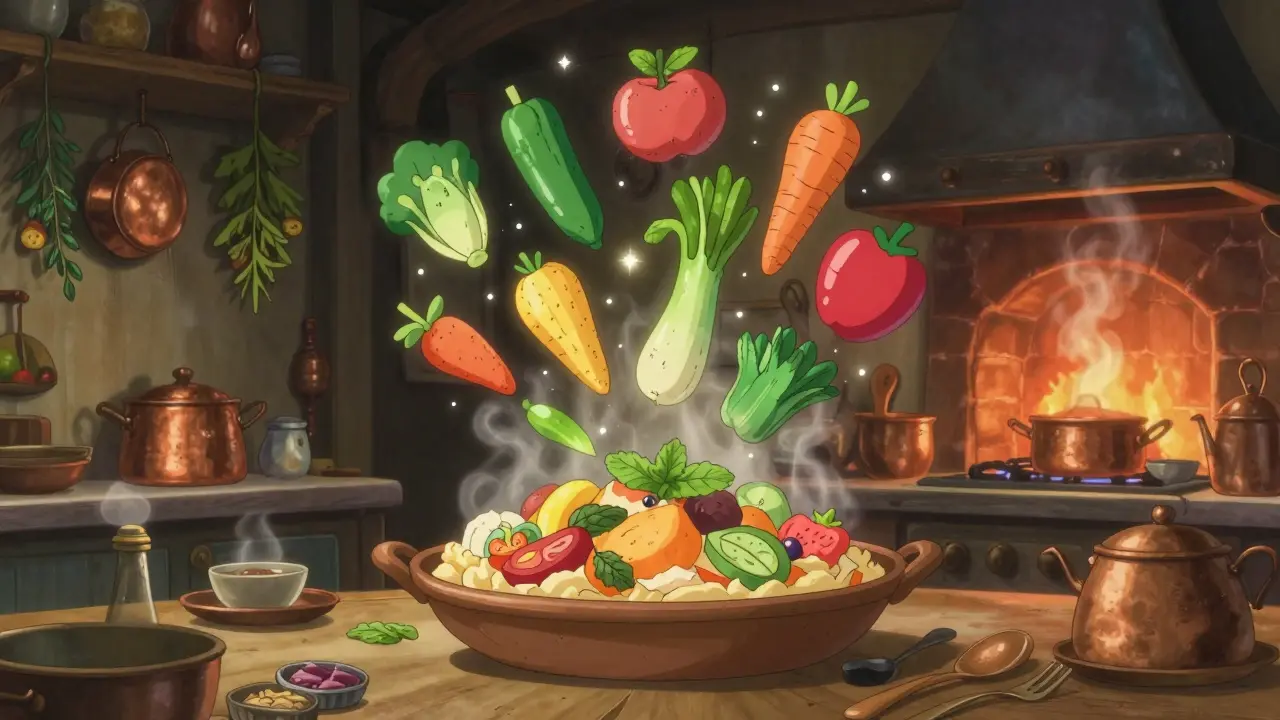
The Kitchen is where the real magic happens. If you have the right set of ingredients-say, oil, salt, and potato NFTs-you can combine them to mint a French Fries Dish NFT. A critical point to remember: once you cook a dish, the original ingredient NFTs are burned. They are gone forever, which keeps the supply of ingredients from inflating too much.
Real-World Chaos: The Environmental Mechanic
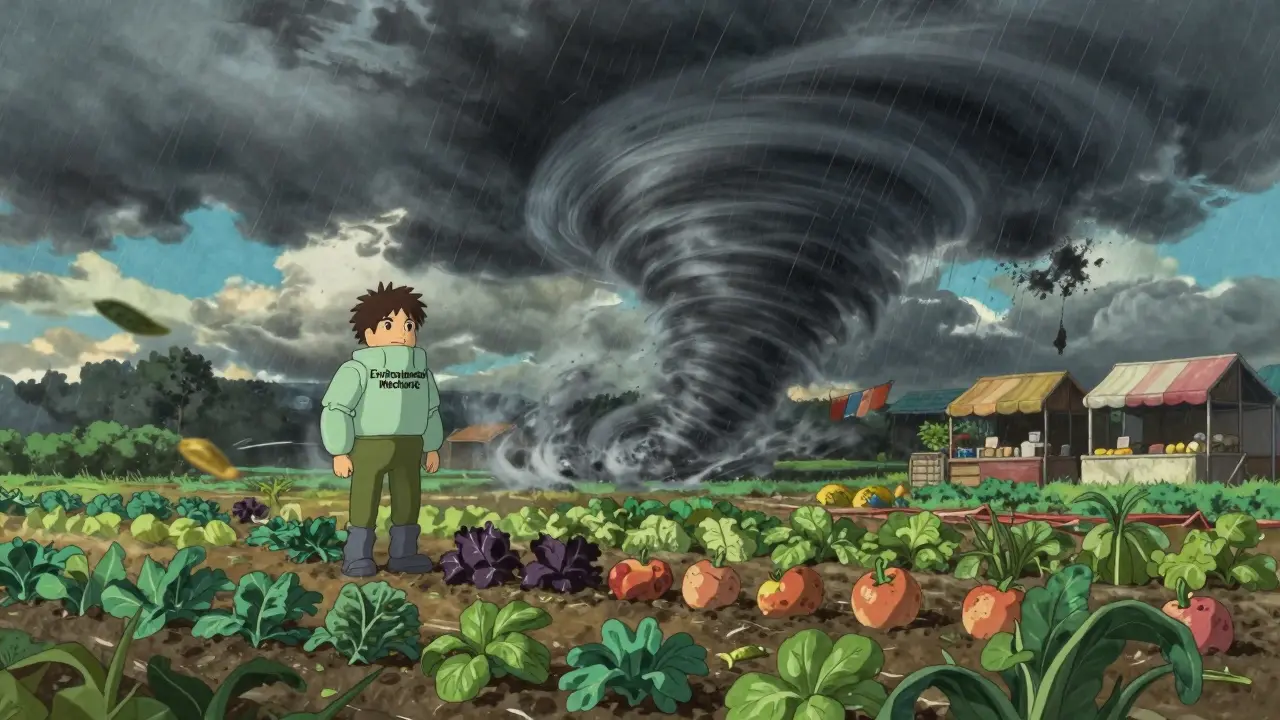
OneRare does something very clever to keep the economy from becoming stagnant. They've introduced real-world agricultural disasters into the game. In the Foodverse, your farming isn't always guaranteed. Random events like droughts, tornadoes, excessive rain, and pest attacks can strike the Farm.
When a "pest attack" happens, the production of specific ingredients might stop entirely for a while. This creates a sudden supply shock. If everyone wants to make a specific dish but the required onion NFT is currently unavailable due to a digital drought, the price of existing onion NFTs in the Farmer's Market will likely skyrocket. This adds a layer of strategic trading to the game-you might want to hoard certain ingredients if you anticipate a disaster event.
Chef Collaborations and Premium Assets
Beyond the basic farming, OneRare partners with real-world culinary experts to create high-value assets. They've collaborated with Michelin star chefs like Anthony Sarpong and MasterChef contestants like Reynold Poernomo. These partnerships often lead to the creation of signature dish NFTs that are far more prestigious than the standard farmed items.
These collaborations bring a level of authenticity to the project. Instead of just being another generic P2E game, it connects the blockchain to actual culinary expertise. For a player, owning a dish minted in collaboration with a world-renowned chef isn't just about the token value; it's about digital collectibles with real-world prestige.
Tips for New Foodverse Players
If you're just getting started, don't just blindly stake your tokens. Consider these heuristics to maximize your gains:
- Watch the Market: Check the Farmer's Market frequently. Sometimes it's cheaper to buy a missing ingredient for a recipe than to wait and hope the random farm emission gives it to you.
- Diversify Your Pools: Don't put all your ORARE in one themed pool. Spreading your stake across different pools increases the variety of ingredients you collect.
- Plan Your Recipes: Before burning ingredients in the Kitchen, check if the resulting Dish NFT is in high demand or if the ingredients are more valuable as raw assets due to an ongoing in-game disaster.
- Use Polygon: Since the game runs on the Polygon network, make sure your wallet is configured correctly to avoid high gas fees that you'd see on the Ethereum mainnet.
Is there a free airdrop for OneRare Ingredient NFTs?
Generally, OneRare does not use traditional "free" airdrops. Instead, they use a farming system where users stake ORARE tokens in pools to earn Ingredient NFTs over time. You earn assets through participation rather than a one-time lucky drop.
What happens to ingredients after I cook a dish?
When you combine ingredients in the Kitchen to mint a Dish NFT, the original ingredient NFTs are burned. This means they are permanently removed from the blockchain and cannot be reclaimed.
Can I choose which ingredient I farm?
No, you cannot pick a specific ingredient. While you can choose which themed pool to stake your ORARE tokens in, the ingredients emitted from those pools are distributed randomly to the farmers.
How do environmental events affect the game?
Events like droughts, tornadoes, or pest attacks can randomly occur in the Farm. These events stop the production of certain ingredients for a period, which often leads to scarcity and price increases for those specific items in the Farmer's Market.
Which blockchain does OneRare use?
OneRare operates on the Polygon blockchain. This allows for faster transaction speeds and significantly lower gas fees compared to the Ethereum mainnet, making the game more accessible to casual players.
Heather Warren
April 11, 2026 AT 22:09The strategy of diversifying pools is a great way to make sure you have the right ingredients for more recipes. It really helps avoid the frustration of waiting for a specific item to drop from the farm.
Kieran Smith
April 12, 2026 AT 21:01man this soundz cool. the airdrop thing is always a letdown but staking for NFTs is a decent way to keep things moving
Surender Kumar
April 14, 2026 AT 05:13polygon is definitely the way to go here.. gas fees on eth would just kill the fun of collecting small ingredients
daniella davis
April 15, 2026 AT 18:04Ugh please. If you actually knew about P2E you'd realize that burning assets is just a cheap way to fake scarcity. Any basic investor can see this is just another loop to keep people staking their ORARE without ever actually cashing out. Honestly it's kind of laughable that some people think these 'disasters' are clever mechanics when they're just algorithmically triggered price pumps. I've seen a dozen projects do the exact same thing with 'random events' and they all end up the same way. Total amateur hour.
Lela Singh
April 15, 2026 AT 21:52Absolute game-changer! The burn mechanic adds such a spicy layer of risk and reward to the whole kitchen process!
7stargee Emmanuel Obani
April 17, 2026 AT 16:54Another fake project with 'burn' mechanics to hide inflation 🙄 just a fancy way to lose your money 🤡
Hope Johnson
April 19, 2026 AT 11:05There is something deeply fascinating about the way this system mirrors the fragility of our own agricultural systems, where a single unforeseen event can disrupt the entire supply chain and change the value of a commodity overnight. By digitizing these real-world struggles, OneRare isn't just creating a game but a philosophical simulation of scarcity and human desire, urging us to reflect on how we assign value to things that are essentially ephemeral codes on a blockchain. It invites us to consider whether the 'prestige' of a Michelin-starred NFT is a genuine extension of culinary art or simply a reflection of our obsession with status and exclusivity in an increasingly digital landscape where the boundaries between the physical and the virtual continue to blur into insignificance.
aletheia wittman
April 19, 2026 AT 16:33Omg imagine actually liking this stuff lol
Jason Davis
April 20, 2026 AT 00:29If you're new to Polgon, just make sure you add the network to your metamask first or you wont see your tokens. Its a common mistake that makes people think they lost their assets!
Swati Sharma
April 21, 2026 AT 06:01The tokenomics here are quite interesting, especially how the staking mechanism acts as a liquidity provider for the ecosystem. Integrating a burn-to-mint cycle definitely helps mitigate the inflationary pressure on the ingredient assets.
Jonathan Chamma
April 22, 2026 AT 05:16It's wonderful to see a project that celebrates global food cultures in such a creative way. It really brings people together through a shared love of cooking.
EDOZIEM MICHAEL
April 22, 2026 AT 19:15life is just one big kitchen and we are all just ingredients waiting to be cooked into something bigger
jennelle williams
April 24, 2026 AT 14:42so simple yet deep
Chidinma Sandra okafor
April 25, 2026 AT 06:24Oh sure, because we really needed another 'innovative' way to gamble on digital onions while the real world burns
Lauren Abrams
April 26, 2026 AT 10:43The disaster mechanic is an interesting choice for a game economy.