

Over 600,000 people in Bangladesh are using Binance to trade cryptocurrency-even though the government says it’s illegal. Not just a few tech-savvy outliers. Not just a handful of investors. Half a million real people, everyday citizens, are buying, selling, and holding Bitcoin, Ethereum, and Tether despite the risk of fines, bank account freezes, or worse. And they’re not hiding in basements. They’re doing it through the Google Play Store, using local agents, and routing money through informal networks that banks can’t fully track.
How a Ban Can’t Stop a Demand
Bangladesh’s central bank, the Bangladesh Bank, has been warning against cryptocurrency since 2014. In 2016, they doubled down, saying crypto transactions break the Foreign Exchange Regulation Act of 1947 and the Money Laundering Prevention Act of 2012. There’s no specific law that says "crypto is banned," but the government doesn’t need one. They use existing financial rules to treat any crypto activity as a crime. Holding it? Illegal. Trading it? Illegal. Helping someone buy it? Also illegal. Yet here’s the twist: the country published a National Blockchain Strategy in 2020. They openly called blockchain a key part of their digital future. They want the technology-for government records, supply chains, land registries-but they still say the money behind it-Bitcoin, Ethereum, USDT-is dangerous. It’s like saying you love the engine of a car but banning gasoline.How People Are Getting Around the Ban
You won’t find crypto ATMs in Dhaka. You won’t see ads for Binance on TV. But you’ll find it on smartphones. Binance, KuCoin, and other platforms are still available on the Google Play Store. No government block. No app removal. Users download them like any other app-weather, ride-hailing, or banking. Most people don’t use credit cards directly. Banks flag those transactions. Instead, a network of local agents has grown up. These are ordinary people-students, shopkeepers, delivery drivers-who act as middlemen. You give them 10,000 Bangladeshi Taka. They give you $85 worth of Tether (USDT) in your Binance wallet. They take a 1-3% fee. Simple. Fast. No paperwork. No bank approval. Why Tether? Because it’s pegged to the US dollar. In a country where the Taka has lost nearly 40% of its value against the dollar since 2020, holding USDT is a way to protect savings. People aren’t gambling on crypto prices. They’re using it as a shield against inflation.The Real Risk: Banks, Not Jail
The government doesn’t have the manpower to arrest 600,000 people. But they don’t need to. Their real weapon is the banking system. If you’re caught using crypto, your bank can freeze your account. Your salary might get stuck. Your business payments could vanish. No warning. No trial. Just silence. One shop owner in Chittagong told a local journalist he lost his entire business account after a small crypto transfer showed up in his bank history. He didn’t even know it was flagged. He thought he was just sending money to a friend. He’s still waiting for the bank to explain why his account was closed. For businesses, it’s worse. Importing goods from India or China used to mean wire transfers through banks-slow, expensive, and full of delays. Now, many small traders use crypto to pay suppliers directly. It’s faster, cheaper, and avoids the red tape. But if caught, they risk being labeled as money launderers. No one wants that label.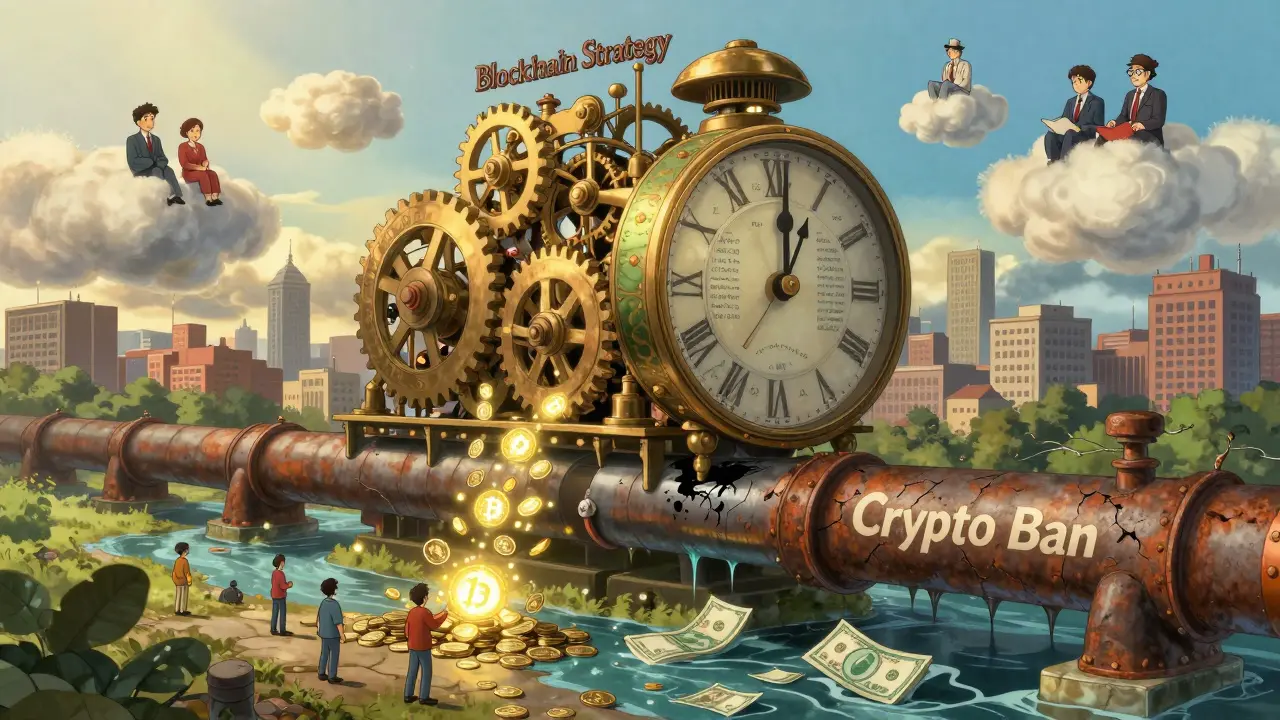
Why the Government Won’t Change-Yet
The Bangladesh Bank says crypto enables crime. They point to scams, dark web markets, and untraceable payments. And yes, crypto has been used for bad things. But so have cash, hawala networks, and barter systems. The difference? Crypto leaves a digital trail. Cash doesn’t. Experts like Dr. B M Mainul Hossain from Dhaka University say the ban is outdated. "Banning is not a solution," he said in a 2025 interview. "We’re not in the 1990s. We can’t stop technology by shouting. We need rules-clear, fair, and enforceable. Let people use crypto, but require KYC. Let the FIU track it. That’s how you fight crime, not by pretending it doesn’t exist." The Financial Intelligence Unit (FIU) has the tools to monitor crypto flows. They just haven’t been given the authority to use them. Why? Because the Ministry of Finance is afraid of setting a precedent. If they allow crypto, what’s next? Decentralized finance? Stablecoins issued by private companies? The fear is loss of control.What This Means for the Future
Bangladesh isn’t alone. Nigeria, India, Indonesia, and Egypt have similar stories-massive crypto adoption under strict bans. But those countries are starting to shift. India now taxes crypto. Nigeria allows exchanges with licenses. Egypt is drafting a regulatory framework. Bangladesh is stuck. It’s one of only ten countries in the world with a total crypto ban. The others? China, Egypt, Nepal, Morocco, Afghanistan, Algeria, Bolivia, Tunisia, Iraq. Most of them have much smaller populations. Or much stricter surveillance. Bangladesh has 170 million people. And half a million of them are already using Binance. The underground market isn’t shrinking. It’s growing. More young people are learning about crypto through YouTube tutorials. More parents are using it to send money home to relatives abroad. More freelancers are getting paid in USDT instead of waiting weeks for PayPal to clear. The government’s stance is becoming unsustainable. You can’t ban something that millions already use. You can only push it deeper underground. And when that happens, you lose control. You lose taxes. You lose visibility. You lose the ability to protect people from fraud.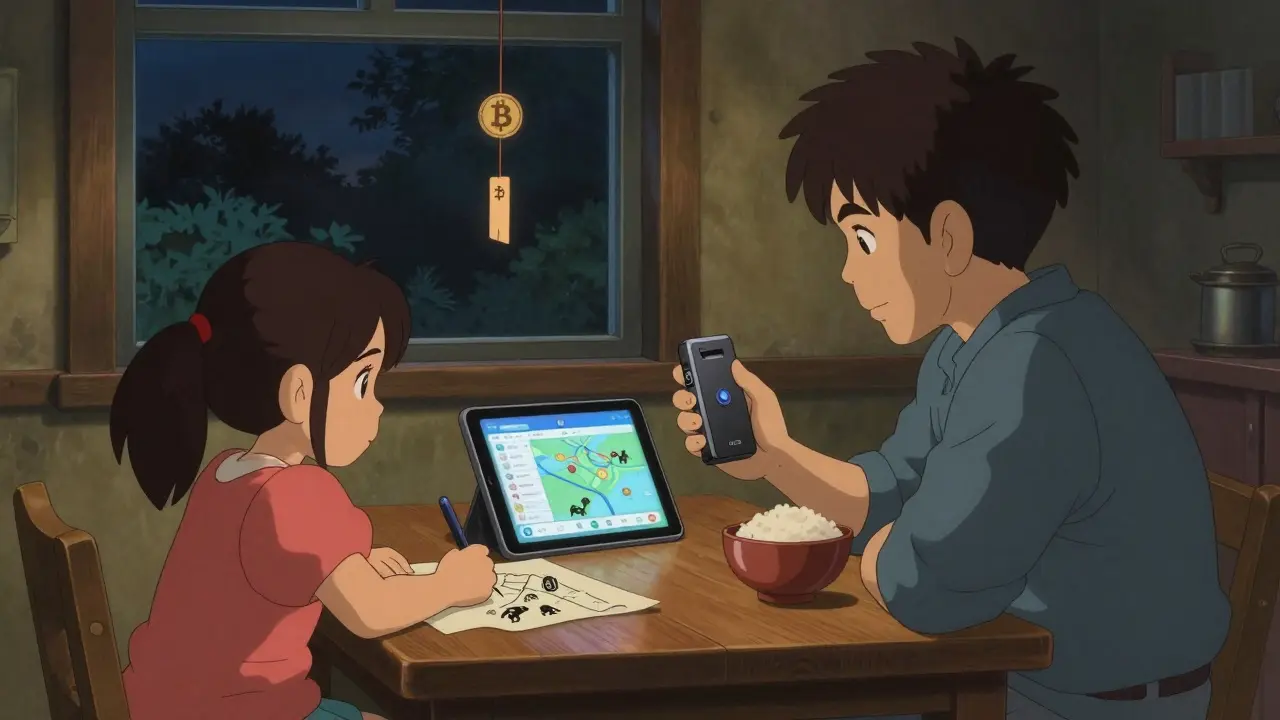
What Users Should Know
If you’re one of the 600,000 using Binance in Bangladesh:- Never use your bank account directly. Use cash or local agents. Keep records of every transaction.
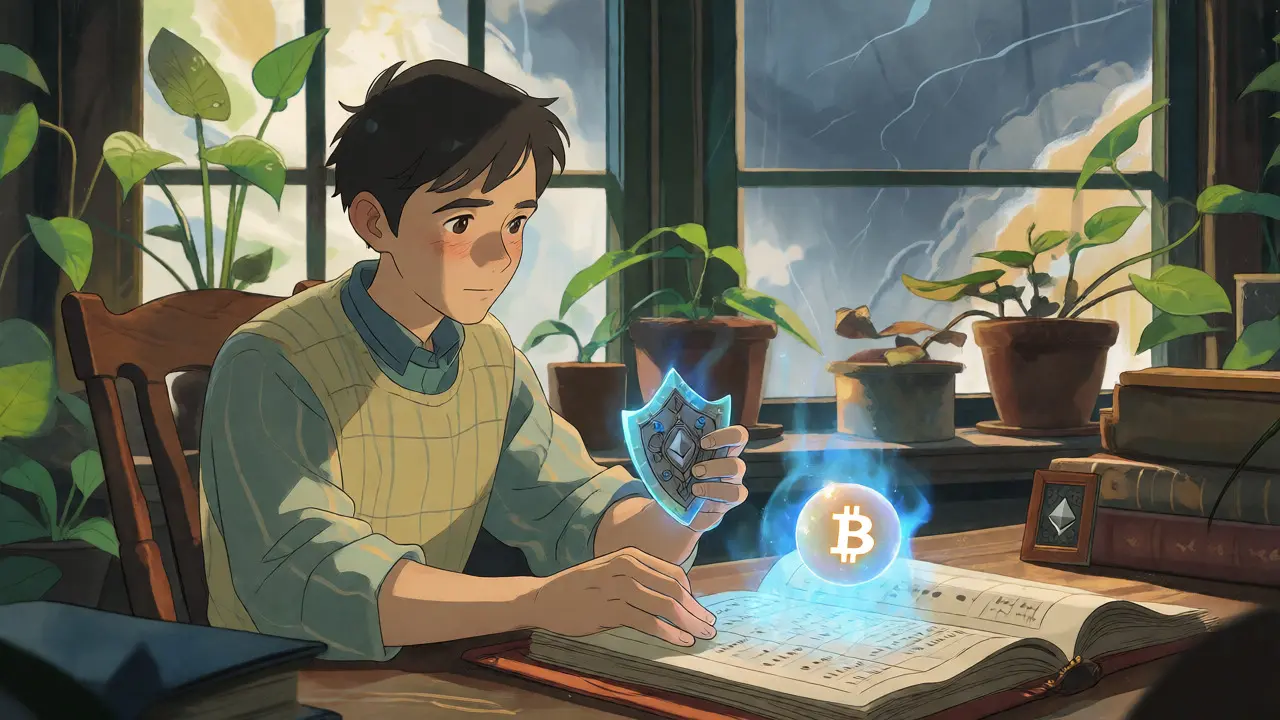
- Use a hardware wallet. Don’t leave large amounts on Binance. Withdraw to a Ledger or Trezor.
- Don’t talk about it publicly. Social media posts can be traced. Even private messages can be subpoenaed.
- Know the tax rules. The National Board of Revenue can still tax your crypto gains under the Income Tax Ordinance of 1984. No one is auditing yet-but that could change.
- Don’t assume you’re safe. One bank report, one suspicious transaction, and your entire financial life can be locked down.



Michael Sullivan
February 2, 2026 AT 17:48Deeksha Sharma
February 3, 2026 AT 20:18sabeer ibrahim
February 4, 2026 AT 17:38David Bain
February 5, 2026 AT 16:11Mrs. Miller
February 6, 2026 AT 01:40Taybah Jacobs
February 6, 2026 AT 18:39Freddie Palmer
February 8, 2026 AT 05:43Alisha Arora
February 10, 2026 AT 00:12Reda Adaou
February 11, 2026 AT 11:30Kyle Pearce-O'Brien
February 13, 2026 AT 06:16Matthew Ryan
February 14, 2026 AT 07:42