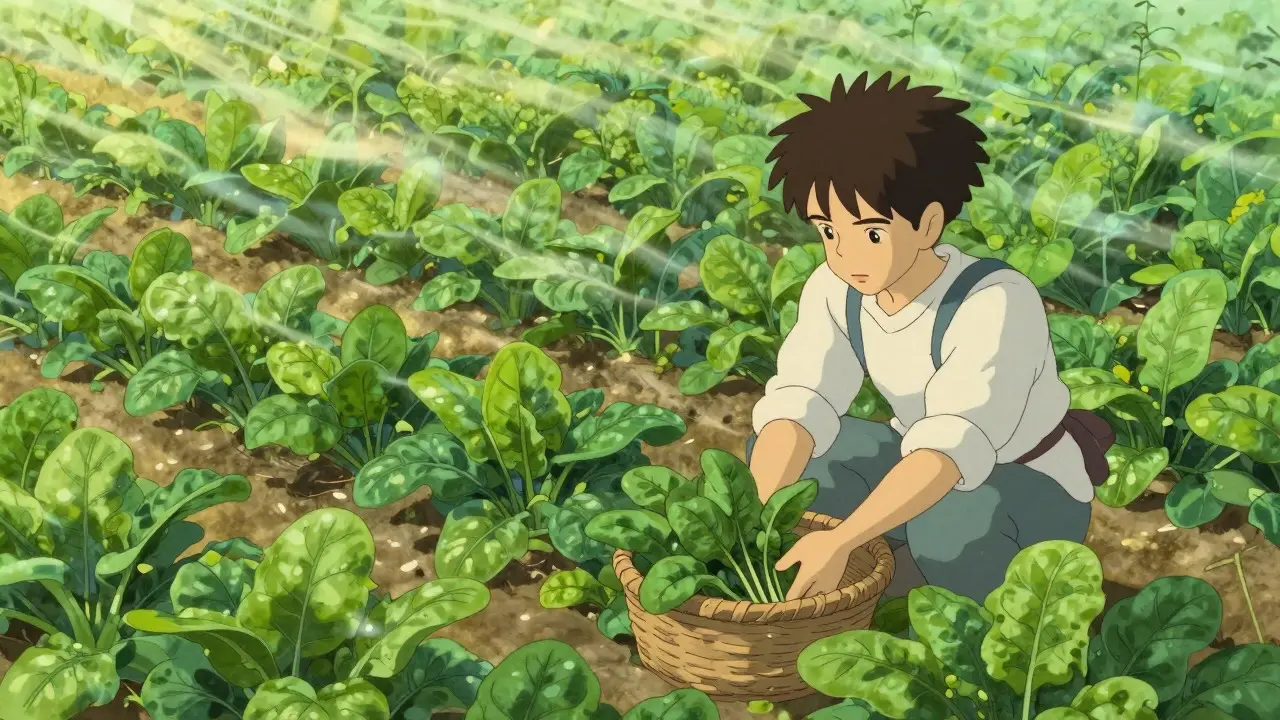
Imagine finding out a specific batch of spinach caused a salmonella outbreak. In the old days, it took investigators weeks to track down which farm supplied that leafy green. By the time they found the source, thousands of people had already eaten it. Now, thanks to blockchain traceability is a system that records every step of a food product's journey on an immutable digital ledger, you can pinpoint the exact field in under two seconds.
This isn't just a tech buzzword; it's becoming a standard for major retailers and suppliers worldwide. If you work in food logistics, quality control, or even just care about what ends up on your plate, understanding how this technology works is no longer optional. It’s the new baseline for safety.
The Core Problem: Why Old Systems Fail
Traditional food supply chains are fragmented. A single carton of milk might pass through five different companies before hitting the shelf. Each company keeps its own records, often in separate software systems or, shockingly, on paper. When something goes wrong, like a contamination event, data silos make tracing the source incredibly slow.
Here is where distributed ledger technology steps in. Unlike a central database that one company controls, a distributed ledger is shared across all parties in the network. Every participant has a copy of the data. Because the record is cryptographic and immutable, nobody can quietly alter a shipment date or hide a failed quality check without the entire network noticing. This transparency solves the trust gap between farmers, processors, and retailers.
How the Technology Actually Works
You don’t need to be a coder to understand the mechanics, but knowing the key components helps demystify the process. The system relies on three main pillars:
- Nodes: These are the devices (servers, tablets, sensors) used by each stakeholder to add data to the chain. A farmer scans a harvest code, a truck driver logs a temperature reading, and a store manager checks in inventory. All these actions create "blocks" of data.
- Consensus Mechanisms: Before any new block is added, the network agrees on its validity. This prevents errors or fraud from slipping in unnoticed.
- Smart Contracts: These are automated scripts that execute when certain conditions are met. For example, if a shipment arrives at a warehouse later than the agreed time, a smart contract could automatically flag the supplier for review.
The data captured is specific. You’re not just storing "Apples." You’re storing Global Trade Item Numbers (GTIN-14), lot codes, harvest dates, and GPS coordinates. This level of granularity is what makes rapid recall possible.
Real-World Proof: The Walmart and IBM Partnership
Skeptics often ask if this is just theory. The answer is a resounding no. The most famous case study involves Walmart and IBM Food Trust.
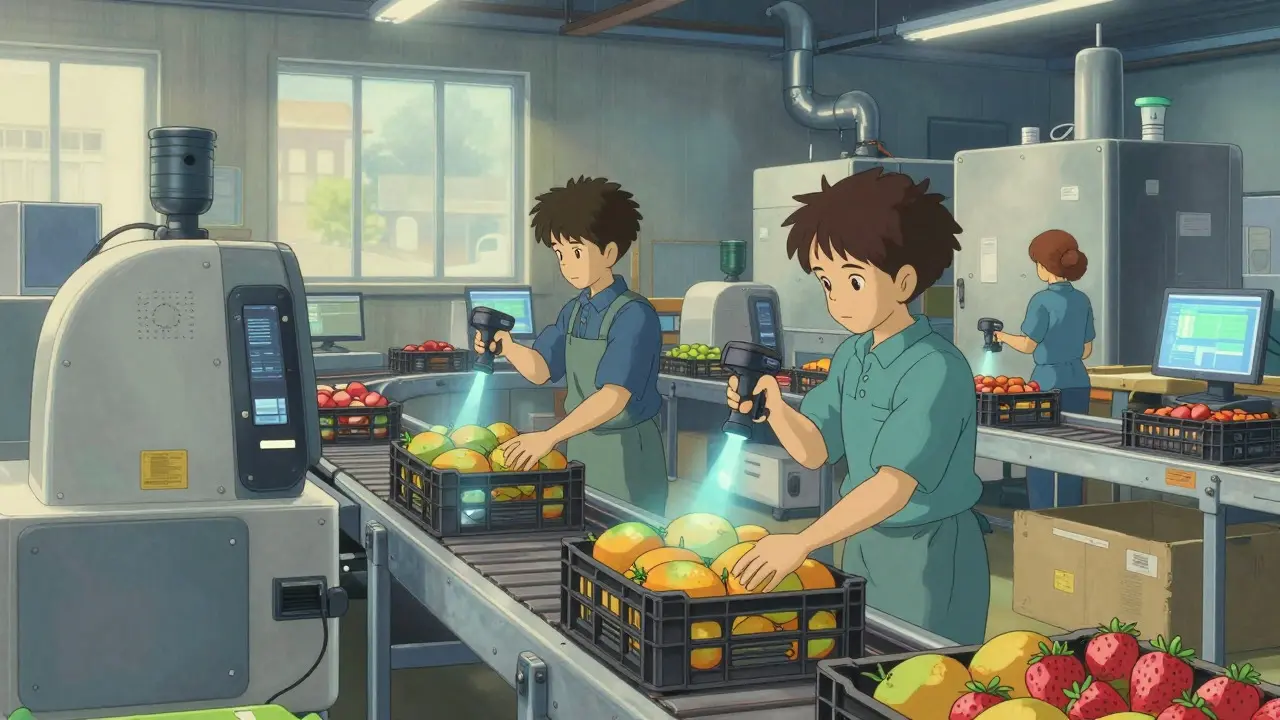
In 2017, Walmart partnered with IBM and several major food brands, including Dole, Nestlé, and Tyson Foods. The goal was simple: trace fresh produce from farm to shelf in real-time. By September 2018, the team had successfully traced mangoes, strawberries, and leafy greens back to their origin farms in less than two and a half seconds. Compare that to the traditional average of six days and seven hours.
Why does speed matter? Speed saves lives. In a foodborne illness outbreak, every hour counts. If you can isolate the contaminated batch in seconds, you pull only those specific cartons from shelves instead of recalling millions of safe units. This reduces waste, saves money, and protects consumers faster.
Key Players and Industry Adoption
The momentum hasn't stopped with Walmart. As of 2026, the ecosystem includes a wide range of participants. Here is a snapshot of who is driving adoption:
Beyond the US, global players like Carrefour in Europe have integrated similar systems. This cross-border collaboration is crucial because food doesn't stop at national borders. If a crate of avocados travels from Chile to New Zealand, both countries' supply chains need to speak the same digital language.

Implementation Challenges and Solutions
Adopting blockchain isn't plug-and-play. There are hurdles, but they are manageable.
- Data Standardization: If Farmer A uses one format for lot codes and Processor B uses another, the chain breaks. The solution is adopting GS1 standards, specifically EPCIS (Electronic Product Code Information Services). This ensures interoperability across different hardware and software.
- Cost of Infrastructure: Small farmers might struggle to buy IoT sensors or tablets. However, many platforms now offer low-cost mobile solutions. Additionally, the cost savings from reduced recalls and less food waste often offset the initial investment within two years.
- Change Management: People resist new workflows. Training staff to scan QR codes correctly and log data promptly is essential. Success stories show that when employees see how quickly issues are resolved, resistance drops significantly.
One common pitfall is trying to put *everything* on the blockchain. Not all data needs immutability. Large files like video footage should stay off-chain, with only a hash (digital fingerprint) stored on the ledger. This keeps the system fast and affordable.
The Future: Beyond Safety to Sustainability
While food safety is the primary driver, the benefits extend further. Consumers increasingly want to know if their food is sustainably sourced. Blockchain provides verifiable proof of Environmental, Social, and Governance (ESG) claims. Instead of trusting a label that says "Fair Trade," you can scan a code and see the audit trail proving fair wages were paid.
Furthermore, as regulatory bodies tighten rules on food provenance, having a blockchain-ready supply chain becomes a competitive advantage. Companies that wait until regulation forces them to act will face higher costs and slower implementation than those who start now.
The bottom line? Blockchain food traceability is no longer experimental. It is the infrastructure of modern food safety. Whether you are a retailer looking to protect your brand or a consumer wanting peace of mind, the shift toward transparent, immutable supply chains is here to stay.
Is blockchain expensive for small food producers?
Initially, yes, due to hardware and training costs. However, cloud-based platforms like IBM Food Trust offer scalable pricing models. Many large retailers now subsidize the setup costs for their smaller suppliers to ensure compliance, making the burden much lighter for independent farms.
Can hackers change the data on a food blockchain?
It is theoretically possible but practically nearly impossible. To alter a record, a hacker would need to control more than 51% of the nodes in the network simultaneously. Since the network includes competitors and neutral third parties, colluding to tamper with data is extremely difficult and costly.
Does blockchain replace barcodes?
No, they work together. Barcodes (or QR codes) are the interface that humans and scanners use to access the data. Blockchain is the backend database that stores the history behind that barcode. You scan the barcode, and the system pulls the immutable record from the blockchain.
Which foods benefit most from blockchain traceability?
High-risk items like raw leafy greens, shellfish, and unpasteurized dairy benefit the most due to higher contamination risks. However, luxury goods like wine, coffee, and chocolate also use it to prove authenticity and origin to premium customers.
How long does it take to implement a blockchain system?
For a single product line, pilot implementations can take 3 to 6 months. Full-scale integration across a complex multi-supplier network may take 12 to 18 months. The timeline depends heavily on how standardized your current data processes are.