
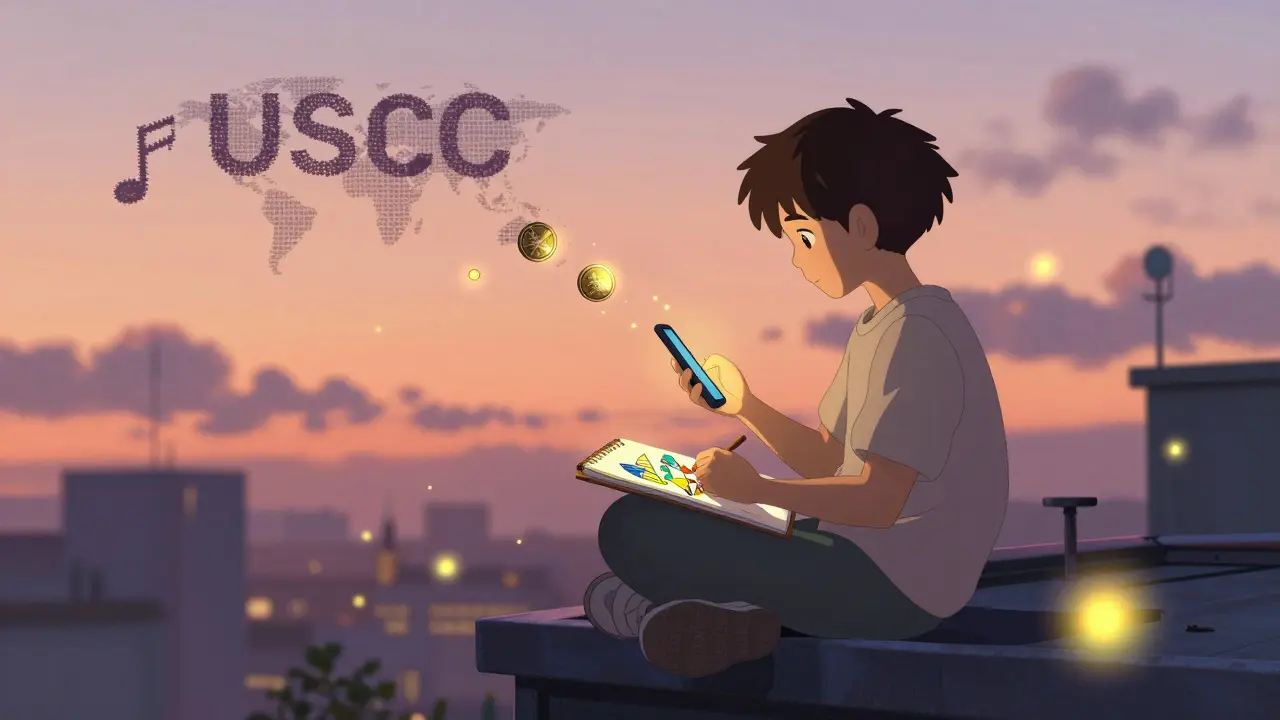
For years, creators have been stuck in a broken system. You make something amazing - a song, a video, a painting, a podcast - and then you hand over half your earnings to a platform that controls your audience, your data, and your income. YouTube takes 45%. Patreon takes up to 12%. PayPal freezes payments from Nigeria. Banks reject transfers from Indonesia. Meanwhile, fans are ready to pay you directly… but have no easy way to do it.
Cryptocurrency changes all that. It’s not about speculation or hype. It’s about empowerment. For the first time, creators can own their work, get paid instantly across borders, and build relationships with fans without asking permission from Silicon Valley.
Direct Payments, No Middlemen
Traditional platforms take a cut - sometimes more than half - just for letting you post. And that’s before payment processors like Stripe or PayPal add their 2.9% + $0.30 fee. For a creator earning $2,000 a month, that’s $240 lost just in fees. Now imagine cutting that in half.
With cryptocurrency, creators receive payments directly from fans. No bank. No platform. No delays. A fan in Berlin can send €10 in USDC to a musician in Lagos, and the money arrives in under 30 seconds. No currency conversion fees. No account freezes. No 10-day waiting periods. In 2025, over 85% of crypto payments to creators are made in stablecoins like USDC and USDT - digital dollars that don’t swing wildly in price. This isn’t risky gambling. It’s reliable, fast, and cheap.
Take @DigitalDewi, a digital artist from Jakarta. Before crypto, she lost 4.5% to PayPal and another 11% to Indonesia’s foreign payment VAT. After switching to USDC, her take-home pay jumped 37%. She didn’t need a bank account. She didn’t need a business license. She just needed a smartphone and a wallet.
Ownership: Your Work, Your Rules
When you post a video on YouTube, you’re renting space. The platform can demonetize you, shadowban you, or delete your channel overnight - and you have zero recourse. Cryptocurrency changes that through NFTs and creator tokens.
NFTs let you turn digital art, music, or even short clips into unique, ownable assets. A photographer doesn’t just sell a print - they sell a verified, blockchain-backed version of their image. Fans don’t just watch - they own a piece of your work. And when that NFT resells, you earn royalties automatically. No paperwork. No negotiations. Just code.
Creator tokens go even further. On platforms like Zora, a musician can issue their own token. Fans buy it to support them. The more the token rises in value, the more the creator benefits. It’s not a donation. It’s an investment in your success. And unlike Patreon subscribers, token holders aren’t just paying for access - they’re becoming part of your community. They vote on your next project. They help shape your brand. They’re not customers. They’re co-creators.
Global Access: The End of Financial Exclusion
Over 1.7 billion people worldwide don’t have bank accounts. Most of them are in Africa, Southeast Asia, and Latin America. But nearly 90% of them have smartphones. That’s why crypto is exploding in Lagos, Jakarta, São Paulo, and Mumbai.
In Nigeria, 60% of creators now use crypto to get paid. Why? Because PayPal and Western Union shut them out. Banks freeze accounts without warning. Traditional payment systems treat them as high-risk. Crypto doesn’t care where you live. It only cares if you have a wallet.
A blogger from Nairobi who lands a $500 ad deal from a French company used to wait weeks for PayPal to clear - if it cleared at all. Now, she gets paid in USDC in minutes. No paperwork. No approval. No risk of sudden account suspension.
According to Built In, creators in emerging markets are 3.2 times more likely to say crypto payments are critical to their survival than those in North America or Europe. This isn’t a luxury. It’s survival.
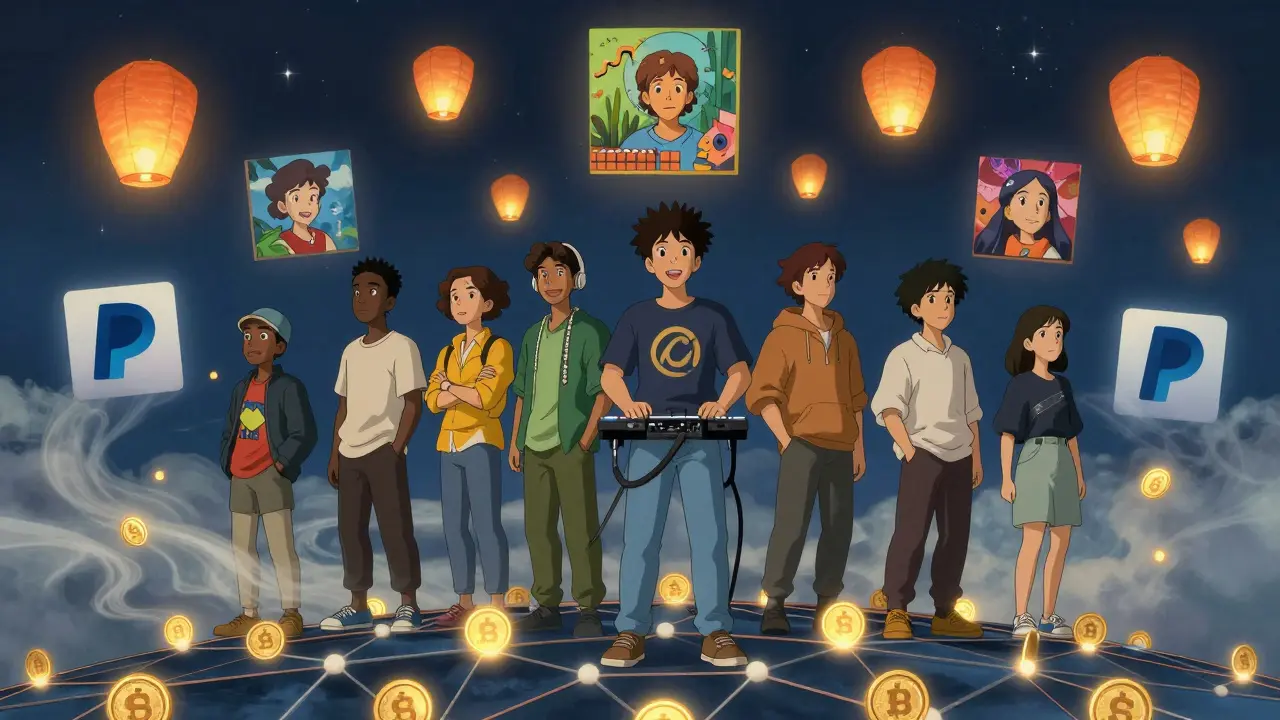
How It Actually Works (No Coding Required)
You don’t need to be a tech expert. Here’s how a typical creator sets up crypto payments in 2025:
- Download a mobile wallet - MetaMask or Coinbase Wallet (used by 63% of creators).
- Connect it to a payment processor like Coinbase Commerce or Zora.
- Add a simple "Pay with Crypto" button to your website, Instagram bio, or TikTok profile.
- Set it to auto-convert incoming crypto to USDC so you’re not exposed to price swings.
That’s it. No API keys. No developers. No monthly fees beyond a 2-5% processing cost - far less than Patreon or Stripe. Zora even gives back 50% of its trading fees directly to creators. Compare that to YouTube’s 45% cut.
Coinbase’s "Crypto for Creators" course has been completed by over 247,000 people. The average learning curve is just 8-12 hours. You don’t need to understand blockchain. You just need to know how to send and receive digital money.
The Real Challenges - And How to Beat Them
It’s not perfect. Here’s what still trips people up:
- Wallet recovery: If you lose your private key, your money is gone forever. Use a hardware wallet or write down your recovery phrase on paper and store it somewhere safe.
- Fan confusion: 68% of creators say explaining crypto to fans is their biggest hurdle. Solution? Use simple language: "You can pay me in digital cash - it’s like Venmo, but faster and cheaper worldwide."
- Taxes: 42% of creators are confused about crypto taxes. Keep records. Use tools like Koinly or CoinTracker. Report it like any other income.
- Regulation: In some countries (like India or Brazil), rules are still shifting. Stay informed. Use stablecoins - they’re treated more like cash than speculative assets.
One creator in Berlin lost €6,250 when she accidentally sent ETH to the wrong address. No one could reverse it. That’s the cost of being your own bank. But it’s also the price of freedom. You’re not relying on a company to protect you. You’re in control.
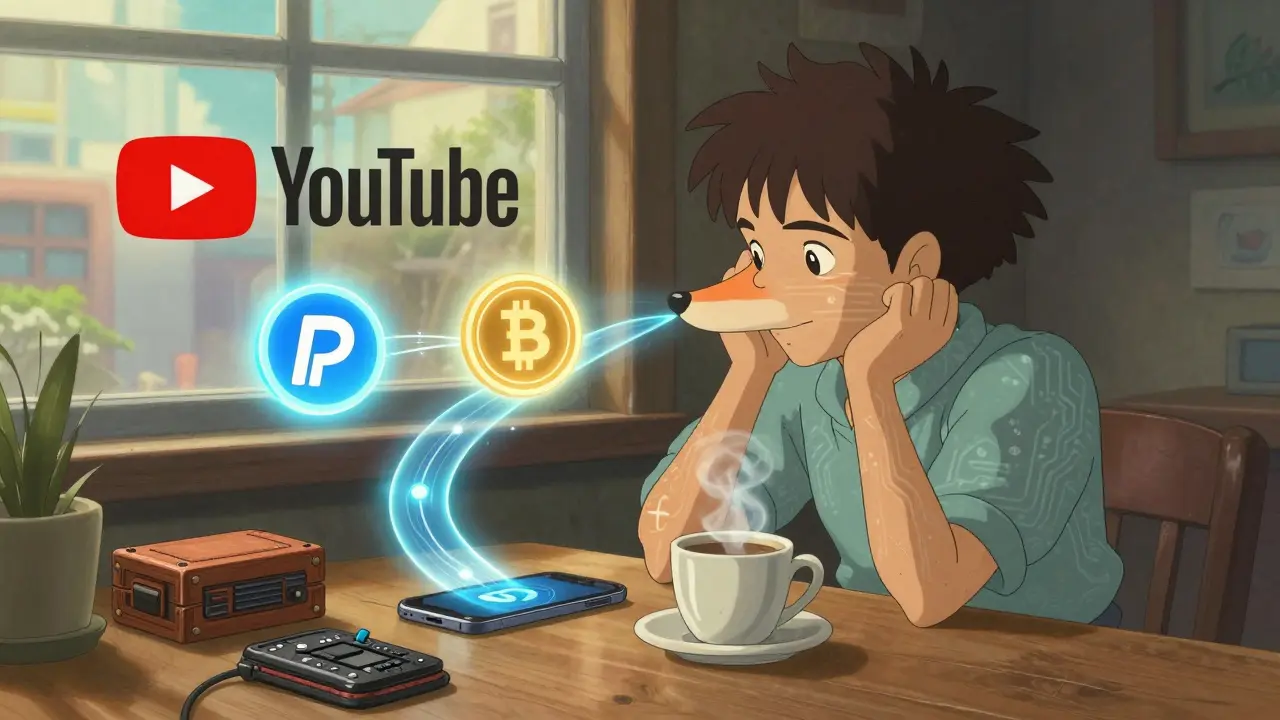
What’s Next? The Hybrid Future
Crypto won’t replace PayPal tomorrow. But it’s already becoming a necessary second channel - especially for global creators. By 2027, Gartner predicts 65% of professional creators will accept crypto payments.
Platforms are catching up. Patreon is rolling out stablecoin payouts in early 2026. Shopify now lets creators accept crypto directly in their online stores. Ethereum’s Dencun upgrade in late 2025 will slash transaction fees by 90% for most creator tools. Coinbase’s new Creator Wallet API, launching in January 2026, will let fans pay with crypto with just one click - no wallet needed.
The future isn’t crypto or traditional. It’s both. A creator in Mexico might use PayPal for local clients and USDC for international ones. A YouTuber might earn ad revenue from Google and token royalties from their fan community. The smartest creators are building multiple income streams - and crypto gives them tools they never had before.
Who Benefits Most?
It’s not just artists. It’s:
- Writers in countries where PayPal doesn’t operate
- Teachers selling online courses to students in Africa
- DJs in Brazil who can’t get paid by European promoters
- Game developers in Indonesia who need instant payouts for their indie games
- Photographers who want royalties every time their work is resold
The creator economy is worth $250 billion today. By 2027, it could hit $480 billion. And crypto is responsible for the fastest-growing slice of that growth - especially outside the U.S. and Europe.
For the first time, talent doesn’t need a visa, a bank account, or a sponsor to succeed. It just needs a phone and a connection.
Holly Perkins
February 16, 2026 AT 01:36Ben Pintilie
February 16, 2026 AT 21:28monique mannino
February 17, 2026 AT 05:36Claire Sannen
February 18, 2026 AT 02:55Sanchita Nahar
February 19, 2026 AT 15:42Santosh kumar
February 20, 2026 AT 18:19Sakshi Arora
February 22, 2026 AT 00:43bala murali
February 23, 2026 AT 07:10Ekaterina Sergeevna
February 24, 2026 AT 18:18Desiree Foo
February 26, 2026 AT 08:25SAKTHIVEL A
February 27, 2026 AT 16:53Will Lum
March 1, 2026 AT 16:13