Imagine walking into a virtual concert hall where your ticket is an NFT that you actually own, not just rent from a corporation. You can sell it to someone else later, keep it as a souvenir, or use it to enter exclusive backstage chats. This isn't science fiction anymore; it's the current reality of social interaction in the blockchain metaverse. Unlike traditional social media where companies control your data and content, this new digital frontier puts power back in your hands through decentralized technology.
The concept of a shared virtual world dates back to Neal Stephenson’s 1992 novel *Snow Crash*, which coined the term "metaverse." But today’s version is built on blockchain technology, creating persistent, three-dimensional spaces where users connect via avatars. These aren't just chat rooms with graphics; they are economies, communities, and creative studios all rolled into one. The shift from Web2 (centralized platforms like Facebook) to Web3 (decentralized blockchain networks) fundamentally changes how we interact online. Instead of being products sold to advertisers, users become owners of their digital identities and assets.
How Avatars Define Your Digital Identity
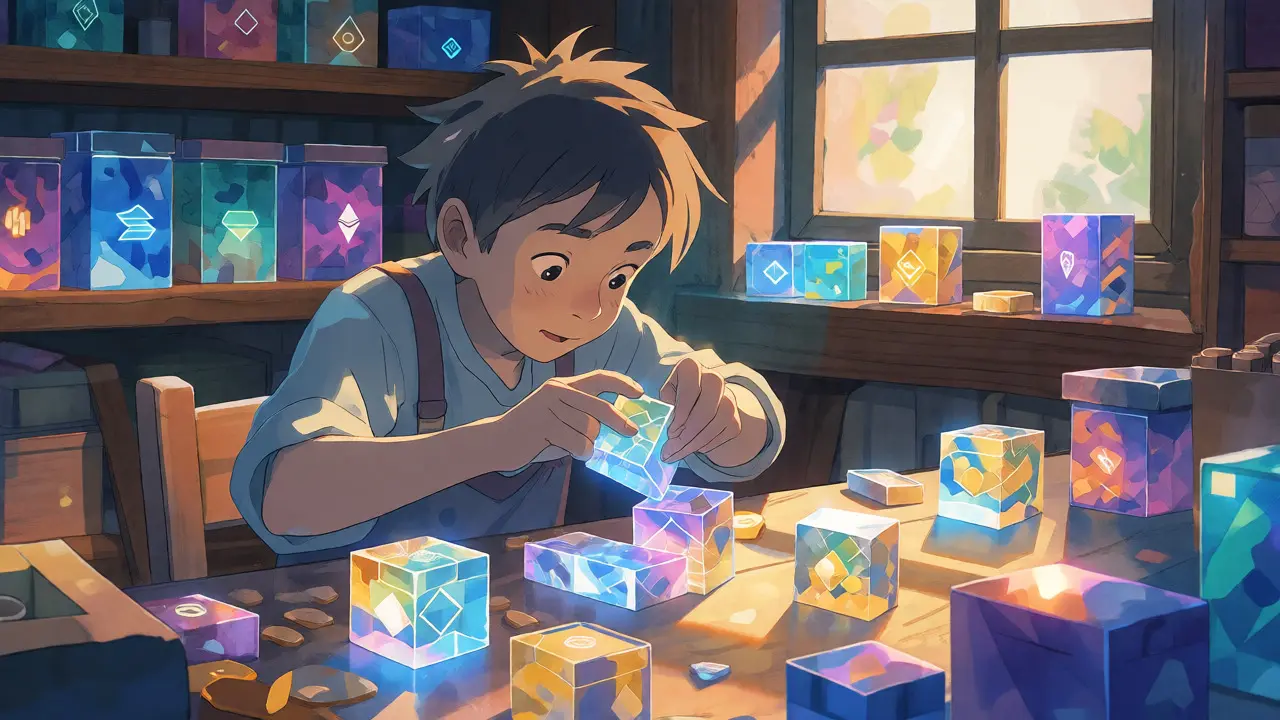
In traditional gaming or social apps, your character or profile exists only within that specific app. If the server shuts down, you lose everything. In the blockchain metaverse, your avatar is often backed by non-fungible tokens (NFTs). This means you have verifiable ownership of your digital self. You can customize your look, buy rare clothing items, and even upgrade skills, all recorded on the blockchain.
This ownership creates a sense of permanence and value. For example, if you spend months building a reputation as a respected artist in a virtual gallery, that reputation travels with you across compatible platforms. It’s no longer locked behind a corporate login wall. Users report feeling more invested in these interactions because their time and money translate into tangible digital assets. However, this also brings responsibility. You must manage your private keys and wallet security, as there is no "forgot password" button to recover lost access.
The Role of Decentralization in Social Trust
One of the biggest complaints about current social media is censorship and data privacy. Centralized companies decide what content stays up and who sees it. In a blockchain-based metaverse, governance is often distributed among token holders or community members. Smart contracts-self-executing code on the blockchain-enforce rules automatically without human bias.
This decentralization fosters trust in ways centralized systems cannot. When you trade a virtual item or join a private group, the terms are transparent and immutable. No admin can arbitrarily ban you or seize your assets unless the community votes for it or the smart contract conditions are violated. This structure encourages honest interaction and reduces fear of arbitrary moderation. Yet, it also means disputes can be harder to resolve quickly, as there is no central support team to intervene immediately.

Virtual Economies and Play-to-Earn Dynamics
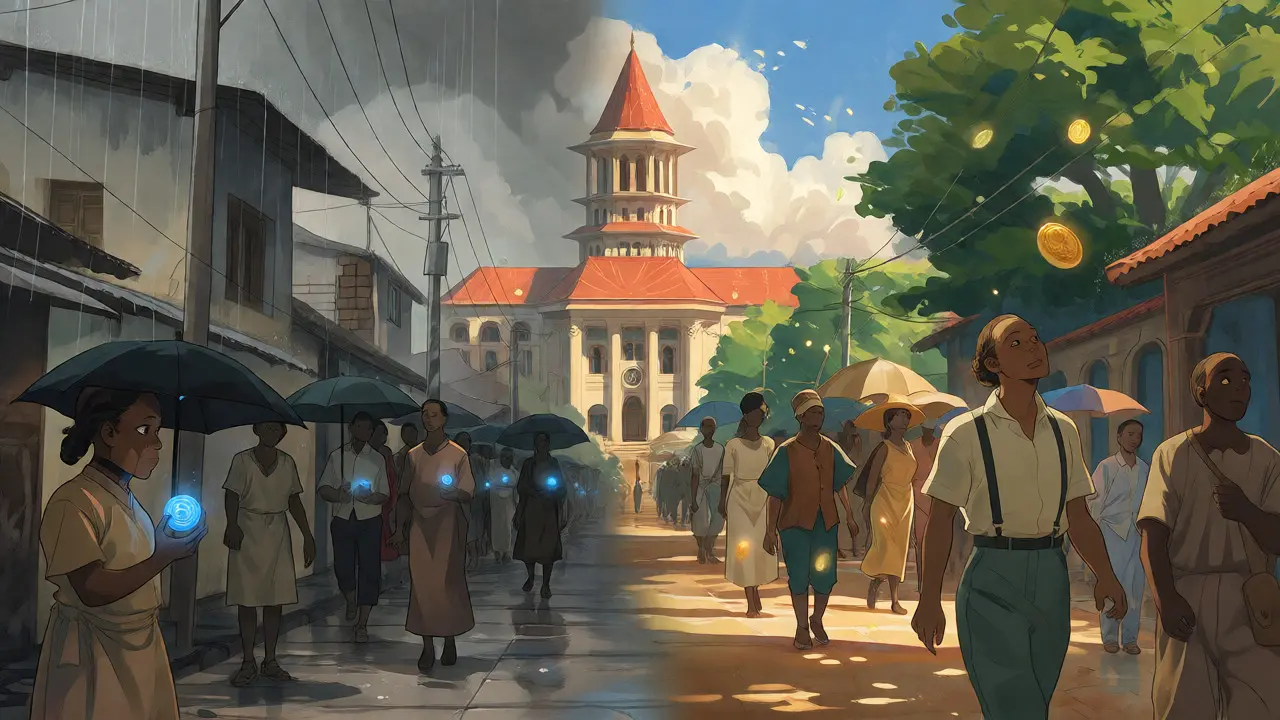
Social interaction in the metaverse isn't just about talking; it's often tied to economic activity. Many platforms integrate play-to-earn (P2E) models where users earn cryptocurrency rewards for participating in games, creating content, or hosting events. This turns leisure time into potential income, attracting millions of users globally, especially in regions where traditional job opportunities are limited.
| Feature | Traditional Social Media | Blockchain Metaverse |
|---|---|---|
| Data Ownership | Platform owns user data | User controls personal data |
| Asset Portability | Locked within platform | Interoperable across ecosystems |
| Monetization | Ads and subscriptions | NFT sales, token rewards, P2E |
| Governance | Centralized corporate decisions | Decentralized community voting |
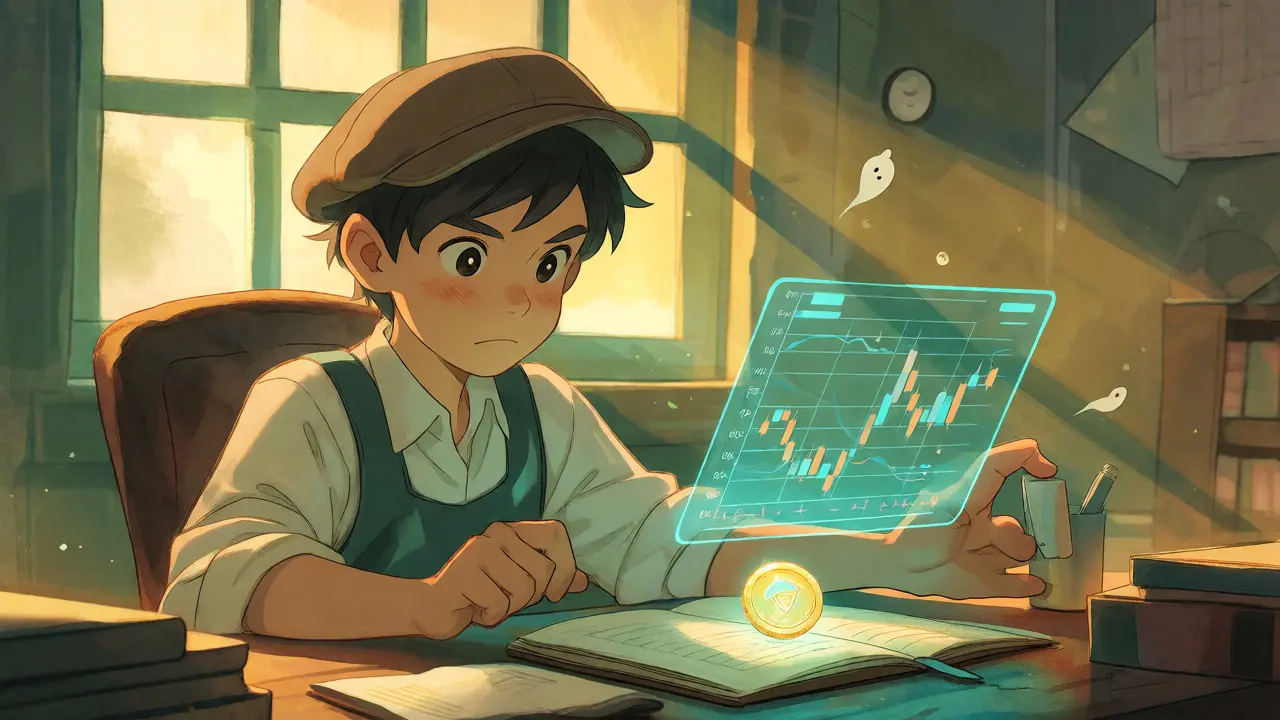
These virtual economies operate 24/7. A digital fashion brand might launch a new collection in a virtual mall, and users can try on outfits using augmented reality (AR) before buying them with crypto. The transactions are instant and global, removing banking barriers. However, volatility in cryptocurrency prices can affect the value of these earnings, adding a layer of financial risk to social participation.
Interoperability: Breaking Down Digital Walls
A major goal of the blockchain metaverse is interoperability-the ability to move your assets and identity between different virtual worlds. Currently, most digital platforms are silos. Your Fortnite skin doesn’t work in Roblox, and your Instagram followers don’t transfer to TikTok. Blockchain aims to change this by establishing universal standards for digital assets.
Imagine logging into a virtual meeting space, wearing an outfit you bought in another game, and showing off a trophy you earned in a third platform. This seamless experience requires collaboration between developers and adoption of common protocols. While full interoperability is still emerging, early adopters are already seeing benefits. They can build a portfolio of digital experiences that grows in value as they explore different corners of the metaverse, rather than starting from scratch each time.
Challenges to Mainstream Adoption
Despite the excitement, significant hurdles remain. The technical complexity of setting up a crypto wallet, managing gas fees, and understanding blockchain transactions scares away many casual users. High computational requirements for rendering high-quality VR environments also limit accessibility for those without expensive hardware.
Scalability is another issue. As more people join, blockchain networks can slow down, leading to higher transaction costs and laggy interactions. Developers are working on Layer 2 solutions and new consensus mechanisms to fix this, but it takes time. Additionally, regulatory uncertainty looms over virtual asset ownership and cross-border transactions, making businesses hesitant to fully commit until laws are clearer.
The Future of Human Connection Online
As artificial intelligence integrates deeper into these platforms, personalization will improve. AI assistants could help moderate conversations, suggest friends based on shared interests, or even create dynamic storylines for social gatherings. This blend of human creativity and machine efficiency promises richer, safer, and more engaging interactions.
For now, the blockchain metaverse offers a glimpse into a future where our digital lives are as valuable and portable as our physical ones. It’s not perfect, and it demands more effort from users than clicking "like" on a post. But for those willing to learn, it provides unprecedented freedom, ownership, and connection in the digital age.
What is the main difference between traditional social media and the blockchain metaverse?
The key difference lies in ownership and control. Traditional social media platforms are centralized, meaning the company owns your data and content. In the blockchain metaverse, users own their digital assets (like avatars and items) via NFTs and have more control over their data through decentralized networks.
Do I need expensive hardware to participate in the blockchain metaverse?
Not necessarily. While VR headsets offer the most immersive experience, many blockchain metaverse platforms are accessible via standard computers or mobile devices. However, high-end graphics may require better hardware for smooth performance.
How do I start interacting in a blockchain metaverse?
You typically need to set up a cryptocurrency wallet (like MetaMask), acquire some cryptocurrency for transaction fees, and then connect to a specific metaverse platform. From there, you can create or customize an avatar and begin exploring social spaces.
Is it safe to store my digital assets in the metaverse?
Safety depends on how well you secure your private keys and wallet. Since blockchain is decentralized, there is no customer service to recover lost funds. Using hardware wallets and enabling two-factor authentication adds extra layers of protection against hacks.
Can I earn real money from social interactions in the metaverse?
Yes, many platforms use play-to-earn models or allow users to sell created content and virtual items as NFTs. Earnings depend on market demand, platform popularity, and your level of engagement and skill.