
It is May 2026, and if you are reading this because you saw a flashy post about a "SWAPP Protocol" airdrop, stop for a second. Take a breath. The most important thing you need to know right now is that there is no verifiable, official information confirming an active airdrop for a project called SWAPP Protocol in the current market.
In the world of cryptocurrency, silence can be just as loud as hype. When a protocol doesn't have a clear, public roadmap or an announced token distribution event, any claim of a free token giveaway is likely a trap. I've seen too many wallets drained by fake airdrops that mimic legitimate projects. This guide isn't here to give you a link that doesn't exist; it's here to help you navigate the noise, understand what SWAPP might actually be, and keep your assets safe while you wait for real news.
What Is SWAPP Protocol?
To understand why the airdrop details are scarce, we first need to define what SWAPP Protocol is supposed to be. In the decentralized finance (DeFi) landscape, names like "Swap," "Swapp," or "SWAP" are incredibly common. They usually refer to automated market makers (AMMs) or liquidity aggregation services. These platforms allow users to trade one cryptocurrency for another without going through a centralized exchange like Coinbase or Binance.
SWAPP Protocol typically refers to a decentralized exchange infrastructure designed to provide better pricing and lower fees for traders. However, unlike giants such as Uniswap or PancakeSwap, which have well-documented histories and massive community followings, SWAPP Protocol does not currently hold a prominent position in major blockchain analytics databases. This lack of visibility is a red flag when it comes to unannounced airdrops. Legitimate protocols with significant user bases rarely launch tokens without months of prior communication on their official channels.
The Reality of the "SWAPP Airdrop" Rumors
You might have seen screenshots on social media showing people claiming they received "SWAPP tokens." Let's look at what is actually happening behind those scenes. Most of these claims fall into two categories:
- Fake Token Scams: Malicious actors create a new token contract with the name "SWAPP" on popular blockchains like Ethereum or Solana. They then distribute this worthless token to random wallets. When you try to sell it, you realize it has no value, or worse, the act of interacting with the token grants the scammer permission to drain your main wallet funds.
- Phishing Campaigns: Websites pop up claiming to be the "official SWAPP Airdrop Claim Page." They ask you to connect your wallet. Once connected, they use malicious smart contracts to steal your assets. These sites often copy the design of legitimate DeFi interfaces to look trustworthy.
As of May 2026, there is no evidence from reputable sources-such as CoinMarketCap, CoinGecko, or official blockchain explorers-that supports the existence of a legitimate SWAPP Protocol token distribution. If a project is truly launching an airdrop, you will find announcements on verified Twitter (X) accounts, Discord servers with thousands of active members, and articles on established crypto news outlets.
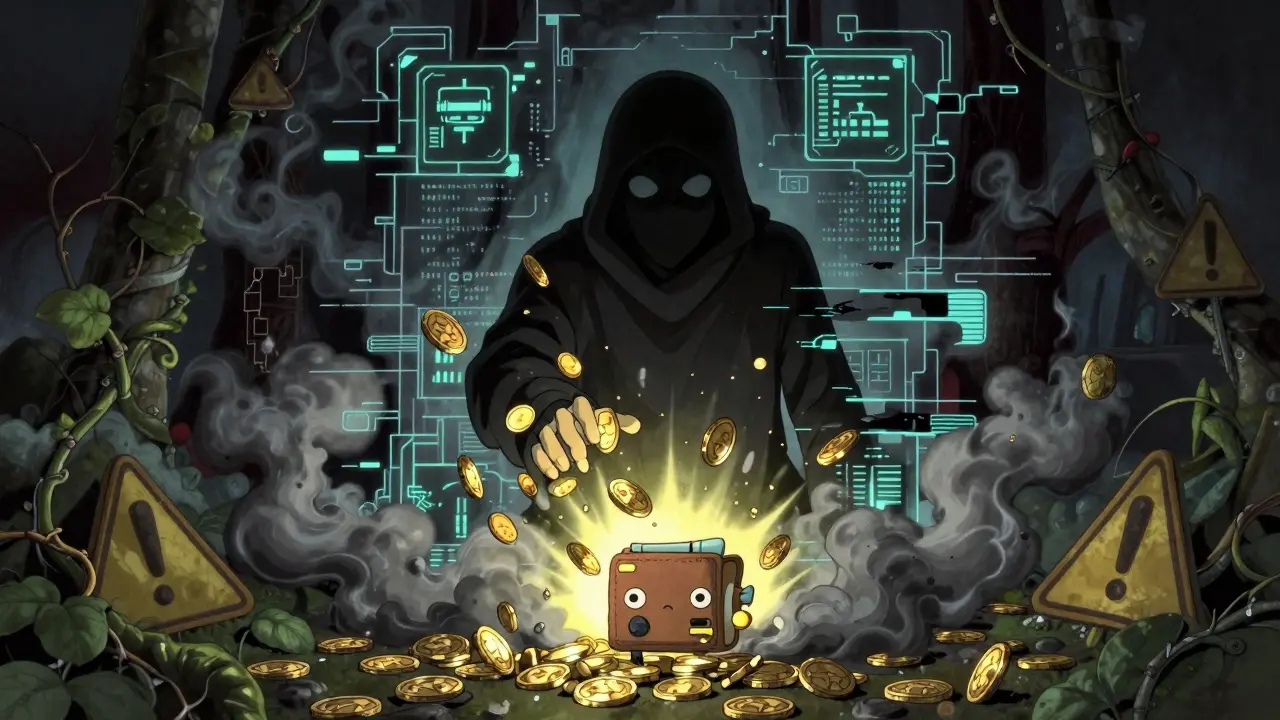
How to Verify Crypto Airdrops Safely
Since the SWAPP situation is unclear, let's talk about how you should approach any airdrop claim moving forward. The crypto space in 2026 is more regulated than ever, but scammers are also more sophisticated. Here is a practical checklist to protect yourself:
- Check Official Sources Only: Never trust a link sent via DM, email, or a comment section. Go directly to the project's official website or GitHub repository. If SWAPP Protocol has a website, check their "Blog" or "Announcements" section. If there is nothing there, the airdrop is fake.
- Verify the Contract Address: Every legitimate token has a unique contract address on the blockchain. You can find this on sites like Etherscan or Solscan. Compare the address given in the airdrop announcement with the one listed on trusted aggregators. If the addresses don't match, it's a scam.
- Use a Burner Wallet: Never connect your primary wallet-the one holding your life savings-to an unverified airdrop site. Use a separate wallet with only a small amount of funds for gas fees. Even if you think the site is safe, bugs happen.
- Beware of "Approval" Requests: When connecting your wallet, pay attention to what permissions you are granting. If a site asks for "Unlimited Approval" for a token you haven't bought, close the tab immediately. This is the most common way wallets get drained.
Legitimate Airdrops vs. SWAPP Hype
To put things in perspective, let's compare how legitimate airdrops work versus what is being sold as the SWAPP opportunity. Major projects like Arbitrum, Optimism, or even earlier ones like Uniswap, followed strict rules. They required users to interact with their testnets or mainnets over long periods. They didn't just give tokens away for clicking a button.
| Feature | Legitimate Airdrop | Fake/Suspicious Claim |
|---|---|---|
| Announcement Source | Official Website, Verified Social Media | DMs, Random Telegram Groups, Unknown Blogs |
| Requirement | Past usage, Testnet participation, Holding specific NFTs | Connecting wallet, Sending small fee, Sharing private keys |
| Token Value | Listed on major exchanges shortly after | Cannot be sold, or value drops to zero instantly |
| Security | Audited smart contracts, Transparent team | No audit, Anonymous creators, Copy-pasted code |
If the SWAPP Protocol does eventually launch a token, it will likely follow the pattern of legitimate projects. It won't appear out of nowhere. It will be preceded by developer updates, community governance discussions, and security audits. Until then, treat every "claim now" button with extreme skepticism.

Why Silence Can Be Good News
It might seem frustrating that there is no concrete info on SWAPP, but consider this: the absence of noise is often a sign of health. Many failed projects spend all their budget on marketing and hype before they have a working product. If SWAPP Protocol is building quietly, focusing on technology rather than speculative token launches, that could be a positive indicator for the long term. However, "building quietly" does not mean "giving away free money." Do not confuse development progress with financial incentives.
In the broader context of the 2026 crypto market, investors are becoming smarter. They demand transparency. Projects that hide behind vague promises are quickly abandoned by serious participants. If you are interested in SWAPP, focus on its utility. Does it solve a problem? Is it faster or cheaper than existing swaps? If the answer is yes, the project may succeed regardless of an airdrop. If the only selling point is "free tokens," walk away.
Steps to Take Right Now
So, what should you do today? First, delete any links you saved from suspicious sources. Second, monitor official channels. If SWAPP Protocol has a verified presence on platforms like Lens, Farcaster, or X, follow them there. Turn on notifications so you see announcements directly from the source, not from third-party influencers who might be paid to promote fake news.
Third, educate yourself on wallet security. Enable hardware wallet support if you haven't already. Learn how to revoke token approvals using tools like Revoke.cash or Etherscan's token approval checker. These skills will save you far more money than any potential airdrop ever could.
Finally, manage your expectations. The era of easy, high-value airdrops is largely over. Modern protocols use vesting schedules, meaning even if you earn tokens, you can't withdraw them all at once. This protects the ecosystem from immediate sell-offs but means you need patience. If SWAPP does launch, expect a slow release, not a quick cash-out.
Is there an official SWAPP Protocol airdrop in May 2026?
No, there is no verified official announcement for a SWAPP Protocol airdrop as of May 2026. Any claims circulating on social media or unofficial websites are likely scams or misinformation. Always verify information through the project's official website or verified social media channels.
What is SWAPP Protocol?
SWAPP Protocol generally refers to a decentralized finance (DeFi) platform focused on token swapping or liquidity provision. However, due to the commonality of the name, it is crucial to distinguish between legitimate projects and impostors. Currently, it lacks the widespread recognition and documentation of major DeFi leaders like Uniswap.
How can I identify a fake airdrop?
Fake airdrops often arrive via direct messages, unsolicited emails, or links from unknown influencers. They typically require you to connect your wallet to a suspicious site, approve unlimited token spending, or send a small "gas fee" to receive tokens. Legitimate airdrops never ask for your private key or seed phrase.
Should I connect my wallet to claim SWAPP tokens?
Absolutely not, unless you have verified the source through multiple official channels. Connecting your wallet to a malicious site can lead to the theft of all your assets. If you must participate in any potential future activity, use a dedicated "burner" wallet with minimal funds.
Where can I find legitimate updates on SWAPP Protocol?
Look for verified accounts on major social platforms like X (Twitter), Discord, or Telegram. Check for links from their official website. Be wary of accounts with similar names but slight spelling differences. Cross-reference any news with reputable crypto data aggregators like CoinMarketCap or CoinGecko.