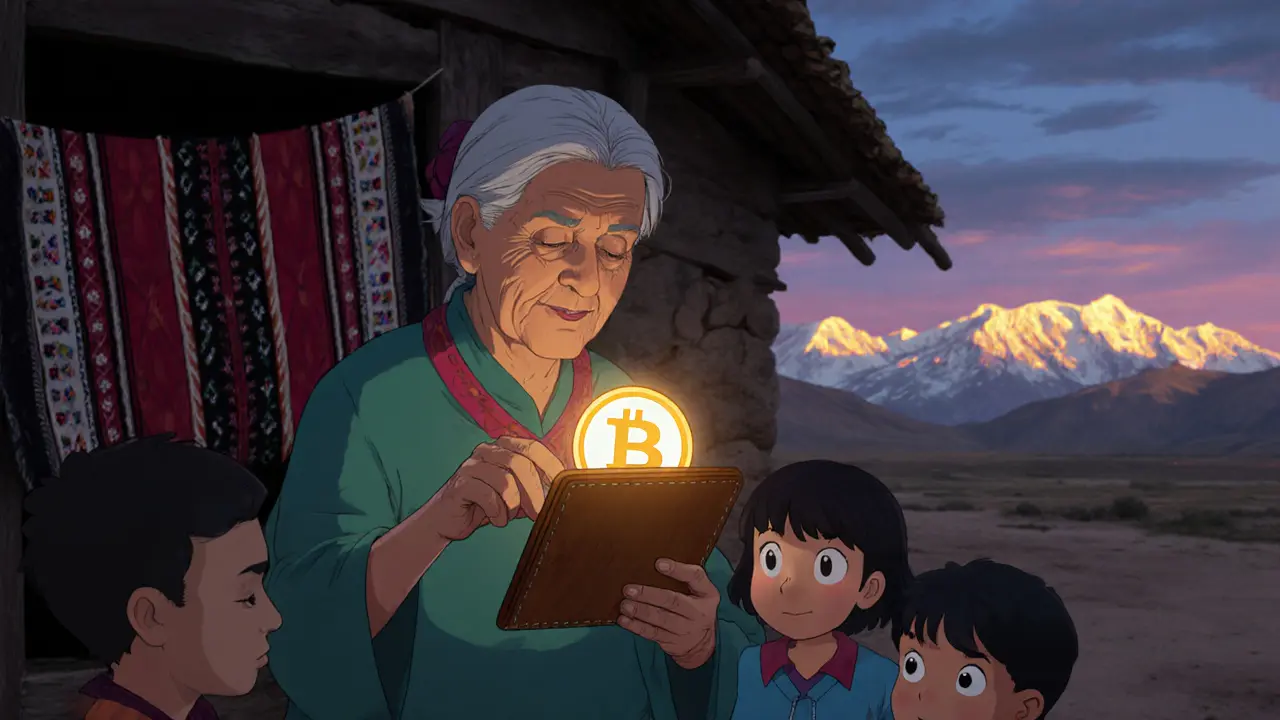
Bolivia Cryptocurrency Ban: What Happened and Why It Still Matters
When Bolivia cryptocurrency ban, a nationwide prohibition on all cryptocurrency use enacted by Bolivia’s central bank in 2014. Also known as crypto prohibition in Bolivia, it remains one of the most extreme regulatory moves in Latin America. Unlike countries that regulate crypto, Bolivia outright banned it—no trading, no mining, no holding. The Central Bank of Bolivia, the nation’s financial regulator that issued the official decree claimed crypto threatened financial stability, enabled money laundering, and bypassed state control. But here’s the twist: the ban never killed crypto—it just pushed it underground.
People in Bolivia still use Bitcoin and other digital assets. They trade through peer-to-peer networks, use foreign exchanges, and even mine with hidden rigs. The crypto mining ban Bolivia, part of the same 2014 order that blocked all digital currency transactions didn’t stop electricity-heavy operations in rural areas where oversight is thin. Meanwhile, the cryptocurrency legality Bolivia, the legal status that makes owning or exchanging crypto a criminal offense has never been updated, even as blockchain tech spread globally. Banks block crypto-related payments, and merchants who accept Bitcoin risk fines. But remittances, inflation hedging, and lack of banking access keep demand alive.
Compare this to neighbors like Argentina or Brazil, where crypto use exploded despite shaky regulation. Bolivia’s approach is pure denial. The government didn’t build guardrails—it tore down the whole road. And yet, people found dirt paths around it. Why? Because crypto isn’t just about speculation. For many Bolivians, it’s about survival—sending money home, protecting savings from hyperinflation, or accessing global markets without a bank account. The ban didn’t stop innovation. It just made it riskier, messier, and harder to track.
What you’ll find in the posts below are real stories from countries with similar bans—like Iraq and Egypt—where rules on paper don’t match reality on the ground. You’ll see how crypto survives under pressure, how people adapt, and what happens when governments try to control something designed to be decentralized. This isn’t just about Bolivia. It’s about the global fight between control and freedom in finance.