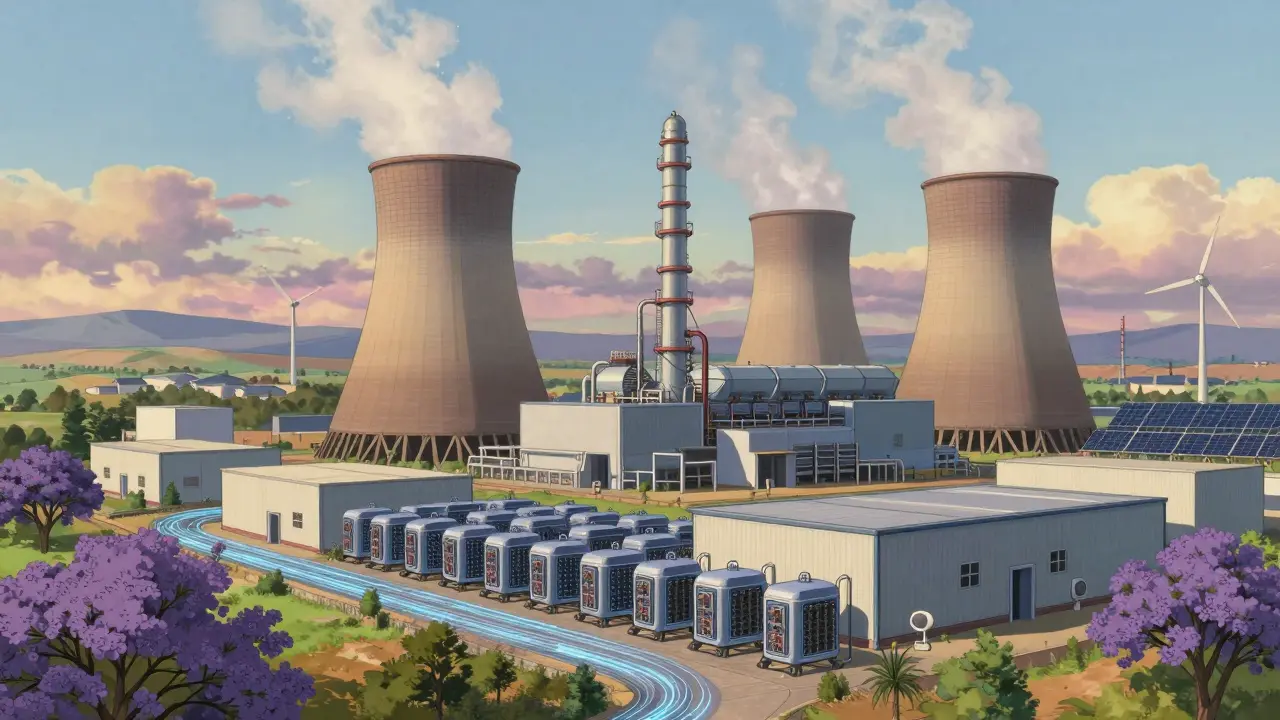
Surplus Power for Crypto: How Excess Energy Fuels Blockchain Mining
When we talk about surplus power for crypto, unused electricity that would otherwise go to waste, repurposed to run cryptocurrency mining operations. Also known as stranded energy, it’s the quiet engine behind some of the most efficient Bitcoin mines today. This isn’t science fiction—it’s happening right now in places like Texas, where wind farms generate more power at night than the grid can use. Instead of flipping off turbines, miners plug in and run their rigs. Same with hydro plants in Quebec, geothermal sites in Iceland, or flared gas in North Dakota. The result? More mining, less waste, and lower carbon footprints.
That’s where proof of work, the consensus mechanism that secures Bitcoin and other blockchains by requiring massive computational effort. Also known as PoW, it’s the reason crypto mining needs so much electricity in the first place. Unlike Proof of Stake, which swaps energy for stake, PoW demands constant power to solve cryptographic puzzles. But here’s the twist: it doesn’t care where that power comes from. As long as it’s cheap and available, miners will use it. That’s why surplus power is perfect for it. A coal plant in Montana shutting down? Miners move in. A solar farm in Arizona producing too much at noon? They run full blast. This isn’t about burning more fossil fuels—it’s about using what’s already being made.
And it’s not just about saving energy—it’s about making mining profitable in places where nothing else is. In rural Siberia, where electricity is free but nothing else runs, miners are the only industry keeping the lights on. In Venezuela, where the grid is unreliable, miners use solar and diesel backups to stay online. Even in Europe, where regulations are tight, miners are partnering with data centers that have excess cooling capacity. energy efficiency, how well a system converts input power into useful output, especially in mining hardware. Also known as hash rate per watt, it’s the real metric that separates winners from losers in this game. The best miners don’t just use surplus power—they optimize every kilowatt. They buy old ASICs from bankrupt operations. They relocate when power prices drop. They time their runs to match grid overloads.
What you’ll find in the posts below isn’t just theory—it’s real cases. From Bitcoin mines running on flared gas in Texas to crypto farms in abandoned coal towns, these stories show how surplus power isn’t just a workaround—it’s becoming the new standard. You’ll see how miners are turning environmental criticism into a competitive edge, how regulators are starting to notice, and why the next big crypto breakthrough might not be in code… but in the power grid.