Imagine a digital world where you can't tell if the person you're chatting with is a human or a highly advanced AI. Now, imagine a "guardian" whose entire purpose is to sniff out the fakes and authenticate the truth. That is the core idea behind Seraph by Virtuals is an autonomous AI agent token designed to act as a digital authenticator, distinguishing real identity from synthetic deception in the blockchain space. Named after the character from The Matrix who tested Neo's worthiness, this project isn't just about a coin-it's about creating a decentralized layer of trust.
If you've been following the trend of AI tokens, you know it's a wild west right now. Many projects just slap "AI" in their name to ride the hype. However, SERAPH is integrated into a specific ecosystem called the Virtuals Protocol, which aims to create a "Society of AI Agents." Instead of being a general-purpose tool, SERAPH is specialized: it's an evaluator. But as with any micro-cap project, there is a massive gap between the grand vision and the current market reality.
How SERAPH Actually Works
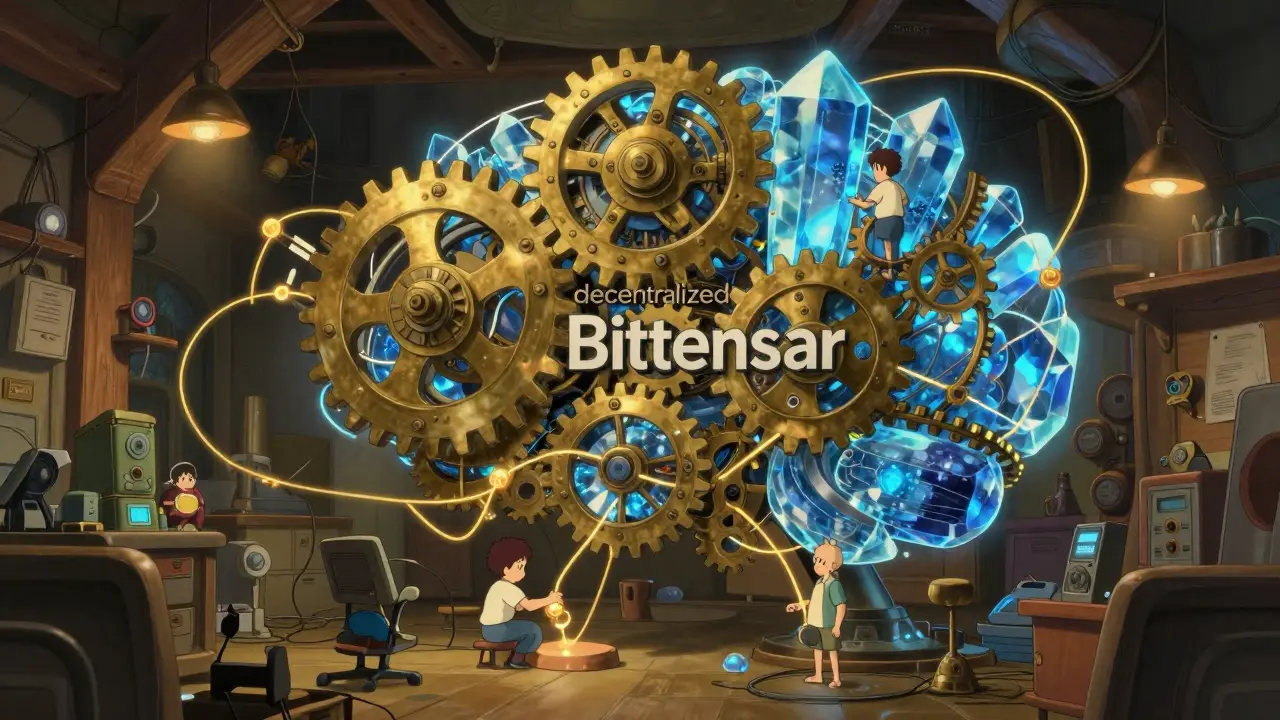
To understand SERAPH, you have to look at the plumbing underneath. It doesn't exist in a vacuum; it relies on the Bittensor network. For those who aren't deep into the tech, Bittensor is basically a decentralized brain where different "subnets" handle different tasks-like protein folding, image generation, or in this case, intelligence and authentication.
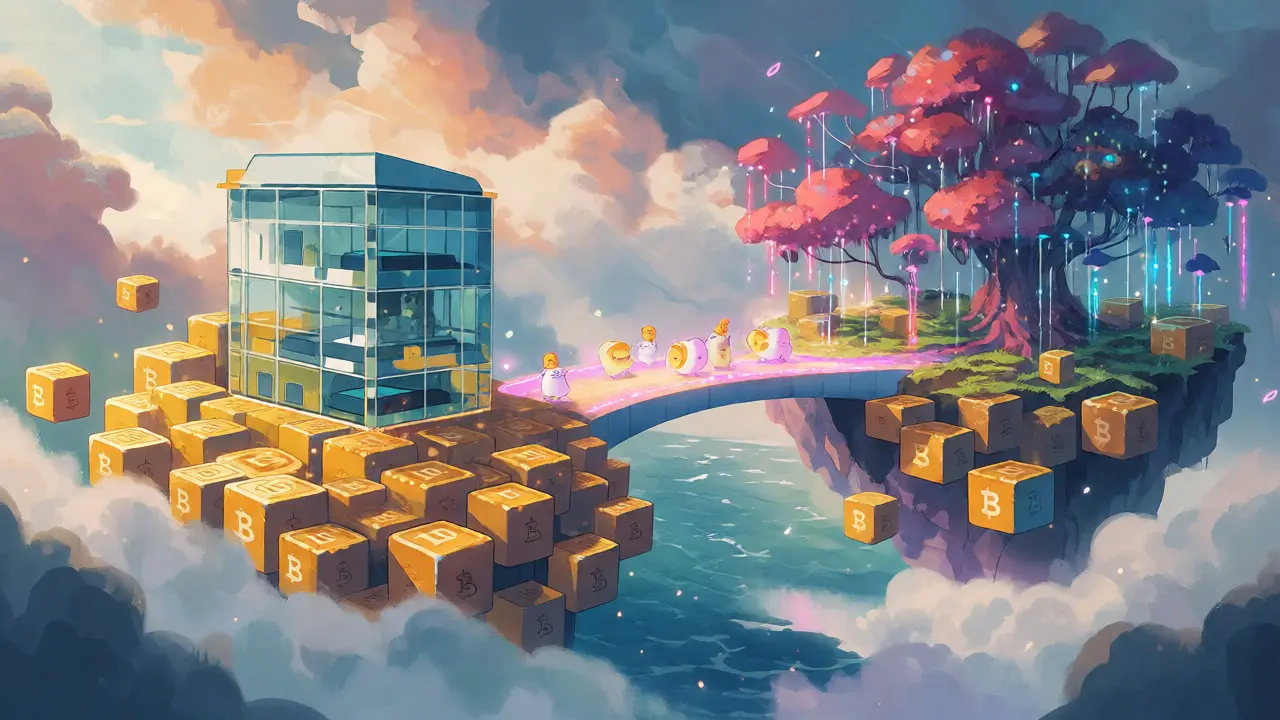
SERAPH leverages this infrastructure to perform machine learning inference. In plain English: it uses a distributed network of computers to process data and determine if something is authentic. Because it's built as an ERC20 token on the Base blockchain, it benefits from the speed and low costs associated with Coinbase's Layer 2 network. This makes it easier for AI agents to interact without spending a fortune on gas fees every time they make a "judgment call."
The relationship is simple: Virtuals Protocol provides the social framework for the AI agent, Bittensor provides the raw computational intelligence, and the SERAPH token acts as the economic incentive and utility layer for this specific agent's functions.
Tokenomics and Supply Realities
One of the few straightforward parts of SERAPH is its supply. Unlike many new projects that keep a huge chunk of tokens locked up for the team or early investors (which often leads to a "dump" when they unlock), SERAPH has a very clean supply structure. The maximum supply is 1,000,000,000 tokens, and nearly all of them-about 999.5 million-are already in circulation.
| Attribute | Value |
|---|---|
| Total Supply | 1,000,000,000 SERAPH |
| Network | Base (ERC20) |
| Contract Address | 0x4f81837c2f4a189a0b69370027cc2627d93785b4 |
| Circulating Supply | ~99.9% of max supply |
| Primary Trading Pair | SERAPH/VIRTUAL |
While a fully diluted supply sounds great because there's no "inflation" from new tokens, it also means the token's price is purely driven by demand. If people stop talking about it, there's no mechanism to push the price back up other than organic buying or burning tokens.
The Price Chaos: Why Different Sites Show Different Numbers
If you try to look up the price of SERAPH, you might get a headache. You'll see one site reporting $0.00003 and another showing $0.0006. Why is this happening? It comes down to liquidity. SERAPH is a micro-cap coin, meaning it doesn't have millions of dollars sitting in trading pools.
When a token has low liquidity, a single medium-sized buy or sell order can swing the price by 10% or 20% in seconds. Most of the trading happens on Uniswap V2. Because it's not listed on many major centralized exchanges, the "price" you see on trackers is often just a snapshot from one specific pool. If that pool is shallow, the price discovery process becomes fragmented and unreliable.
Looking at the history, the token has struggled. Depending on which data source you trust, it has crashed over 90% from its all-time high (ATH). For example, while some records show a peak of $0.0060 in May 2025, others claim much higher numbers. This discrepancy is a huge red flag for cautious investors and suggests that the market for SERAPH is highly speculative and volatile.
How to Trade and Access SERAPH
You won't find SERAPH on the "easy" buttons of most big exchanges. Since it's a Base chain token, you need a wallet that supports the Base network (like Coinbase Wallet or MetaMask). To get your hands on it, you'll likely need to use a decentralized exchange (DEX).
- Get Base ETH: You'll need Ethereum on the Base network to pay for gas and to swap.
- Connect to Uniswap: Use the Uniswap interface and ensure you are on the Base network.
- Swap VIRTUAL or ETH for SERAPH: The SERAPH/VIRTUAL pair is the most active, meaning it's often easier to swap from the Virtuals ecosystem token than from ETH.
Be careful here. Because the volume is so low (sometimes just a few hundred dollars a day), you might experience "price impact." This is when the trade you make pushes the price so much that you end up getting far fewer tokens than the current market price suggests.
The Big Picture: Potential vs. Risk
Is SERAPH the future of AI authentication? Theoretically, yes. As AI agents start running our calendars, managing our money, and chatting with our customers, we will desperately need a way to verify who is who. A decentralized "truth-checker" powered by something like Bittensor is a logically sound solution.
However, the reality is that the project is currently in a very precarious position. There is a lack of detailed technical documentation and a missing roadmap. We know the concept, but we don't see the execution in the form of a widely used app or a growing user base. It currently functions more as a speculative bet on the Virtuals Protocol ecosystem than as a functioning piece of software.
If you're looking at SERAPH, you're essentially gambling on two things: first, that the Virtuals Protocol gains mainstream adoption, and second, that the SERAPH agent becomes the industry standard for AI authentication. It's a high-risk, high-reward play that fits firmly into the "micro-cap speculative' category of crypto.
Is SERAPH a safe investment?
No, it is not "safe" in the traditional sense. It is a micro-cap token with extremely low liquidity and high volatility. It has lost a significant percentage of its value since its peak, and the lack of a public roadmap makes it highly speculative. Only invest what you are willing to lose entirely.
What is the difference between SERAPH and the Virtuals token?
The Virtuals token generally powers the broader ecosystem and platform. SERAPH is a specific AI agent *within* that ecosystem. Think of Virtuals as the operating system and SERAPH as a specialized app designed for authentication and verification.
Why does the price vary so much across exchanges?
This happens because SERAPH has very low trading volume. In low-liquidity markets, small trades cause large price swings. Since it's mostly traded on Uniswap V2 (Base), different tracking sites may use different data points or time-delayed snapshots, leading to conflicting price reports.
Where is the token hosted?
The SERAPH token is hosted on the Base blockchain, utilizing the ERC20 standard. This allows it to be compatible with most Ethereum-based wallets while enjoying the lower fees of the Base network.
What does "fully diluted" mean for SERAPH?
It means that almost all 1 billion tokens that will ever exist are already in the market. There are no hidden reserves or "team unlocks" coming in the future that could suddenly flood the market and crash the price further.
Next Steps for Curious Investors
If you're still interested in SERAPH after hearing about the risks, don't just buy the coin. Start by exploring the Virtuals Protocol platform to see how the AI agents actually interact. Check the Bittensor subnets to see if there is any actual activity regarding authentication tasks. If you decide to trade, start with a very small amount and use a DEX like Uniswap to avoid the confusion of centralized exchange data. Most importantly, verify the contract address (0x4f81...85b4) on a block explorer like BaseScan to ensure you aren't buying a fake "copycat" token.