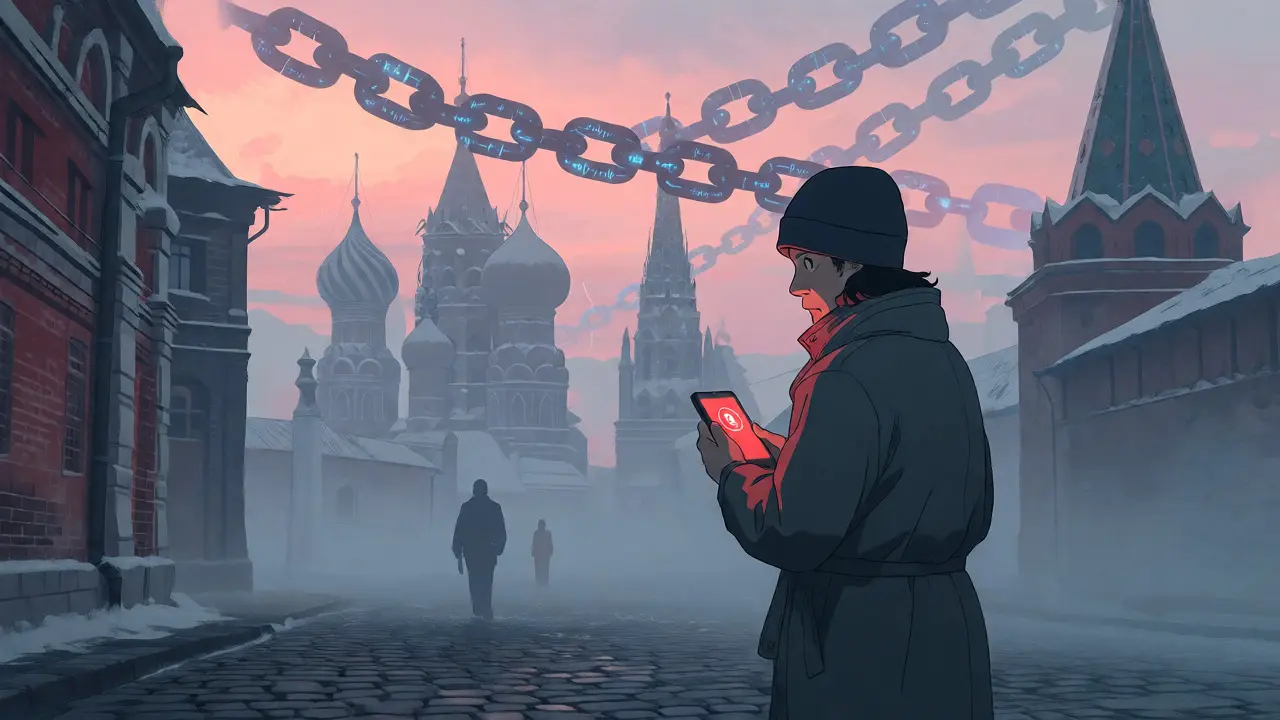
Giving money to a good cause should feel rewarding, but for many, it comes with a nagging doubt: "Where is my money actually going?" This isn't just paranoia. Interpol has estimated that charity fraud costs the world roughly $40 billion every year. From fake disaster relief funds to administrative "leakage," the lack of transparency in traditional giving creates a massive gap in trust. However, a shift is happening. By using blockchain is a decentralized, immutable ledger that records transactions across many computers so that the record cannot be altered retroactively, we can finally move from "blind trust" to "verifiable truth."
Why Traditional Giving Is Broken
Most of us are used to the same process: find a charity, send a payment via a platform like GoFundMe or JustGiving, and hope for the best. The problem is that these systems are centralized. A small group of people controls the database, the bank accounts, and the reporting. According to reports from the Charity Commission UK, about 78% of charity fraud happens at these centralized server points where data can be manipulated or funds diverted without a public trail.
In a 2023 survey by Charity Digital, around 40% of donors admitted they weren't sure how their funds were being used. When you can't trace a dollar from your wallet to a specific meal or medicine bottle, it's easy for bad actors to slip in. This is where the concept of a distributed ledger changes the game.
How Blockchain Stops the Steal
Unlike a private bank statement, a blockchain is a public record. When a donation is made on a blockchain-based system, it isn't just a line in a private database; it's a permanent timestamped event that anyone can verify. This creates 100% transaction visibility. If a charity claims they spent $10,000 on blankets, you can actually see the transaction moving from the charity's wallet to the supplier's wallet.
To make this work efficiently, many projects use Polygon, which is a Layer 2 scaling solution for Ethereum. Using Polygon allows these systems to process thousands of transactions per second with tiny fees-often as low as $0.0001-making it practical to track even tiny donations. Systems like D-Donation have demonstrated that this approach can provide total transparency in test environments, removing the "black box" of traditional non-profit accounting.
| Feature | Traditional (e.g., GoFundMe) | Blockchain (e.g., Charity Wall) |
|---|---|---|
| Transparency | Report-based (Delayed) | Real-time (Immediate) |
| Data Immutability | Editable by Admins | Immutable (99.998% accuracy) |
| Admin Overhead | High Manual Accounting | Reduced by ~63% via Automation |
| Onboarding Speed | Fast (~12 minutes) | Slower (~45 minutes) |
The Magic of Smart Contracts
The real power doesn't just come from the ledger, but from smart contracts. These are self-executing contracts with the terms of the agreement directly written into lines of code. In the context of charity, a smart contract acts as a digital escrow.
Imagine a scenario where funds are only released to a project once certain milestones are met. For example, the BECP framework uses this to prevent common fraud like invoice falsification. Instead of a human administrator deciding to pay a bill, the smart contract can require a 50% approval threshold from multiple independent verifiers before the money moves. Professor Kenji Tanaka of Tokyo University has noted that this kind of automation can prevent up to 94% of common fraud scenarios, such as account diversion.
Tracking Physical Goods and In-Kind Gifts
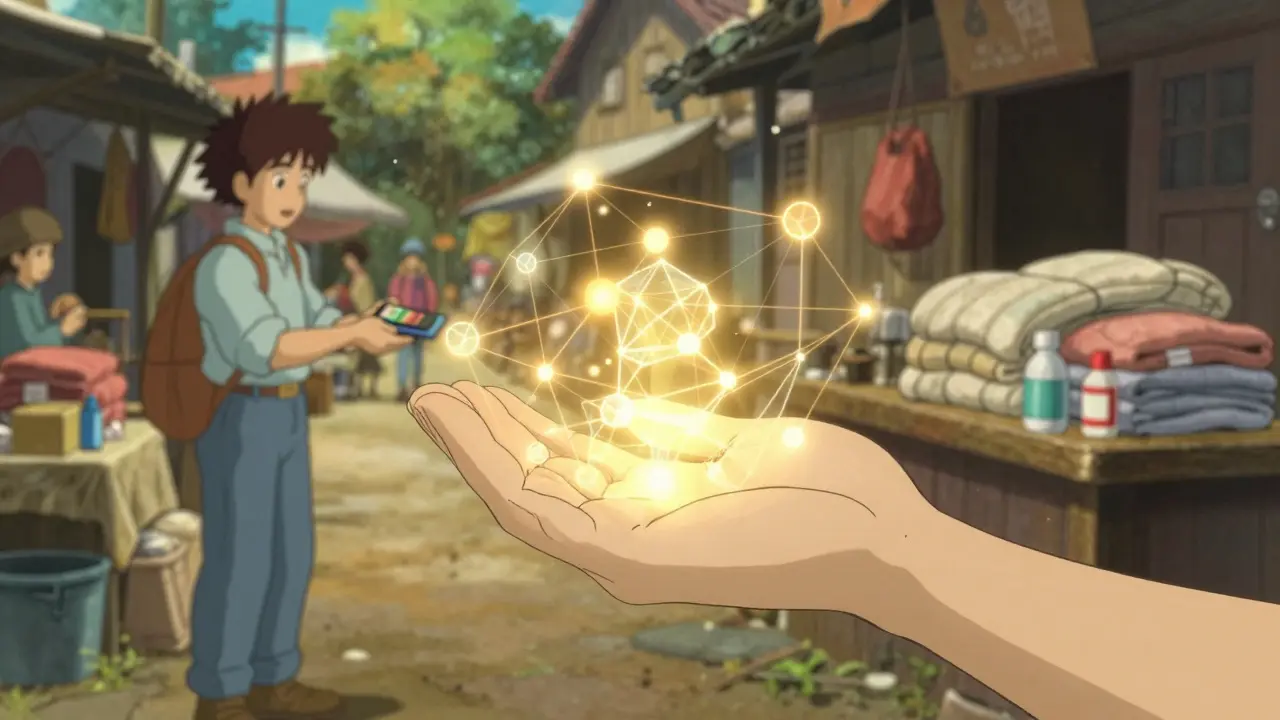
Fraud isn't always about stealing cash; sometimes it's about the diversion of physical supplies. This is where Charity Wall has made significant strides. By integrating QR codes with blockchain records, they can track "in-kind" donations like food or medical supplies with 98.7% accuracy.
Think about the COVID-19 relief efforts. A donor in Italy was able to see that their €200 donation specifically purchased eight boxes of pasta that were delivered to a shelter in Naples within 72 hours. This level of granularity is impossible with a standard spreadsheet. It turns a vague "donation to a cause" into a concrete "delivery of a resource." This is why Charity Wall has seen high donor satisfaction rates, as it provides a tangible link between the giver and the recipient.
The Roadblocks: It's Not All Perfect
If this is so great, why isn't every charity using it? The biggest hurdle is the "human element." For a 70-year-old donor, setting up a MetaMask wallet can feel like trying to learn a new language. We've seen cases where potential donations were lost simply because the user interface was too intimidating.
There are also technical risks. Dr. Susan Chen from the Stanford Center for Philanthropy has pointed out that about 17% of tested charity apps have vulnerabilities in their smart contracts. If the code has a bug, a hacker could potentially drain the funds, replacing traditional fraud with technical theft. Furthermore, there's a massive digital divide. In rural areas with poor internet, traditional mobile money is still king, while blockchain systems only reach about 41% of those populations.

How to Implement a Blockchain Giving System
For a medium-sized charity, moving to a blockchain system usually takes about 6 to 8 weeks. It isn't as simple as flipping a switch. Here is the general path to implementation:
- Blockchain Literacy Training: Staff need at least 40 hours of training to understand how to manage wallets and read the ledger.
- Smart Contract Design: Define the "rules" of the fund. Who approves the spending? What are the milestones?
- Audit and Security: Before going live, the contracts must be audited by third-party security firms to ensure there are no loopholes.
- Phased Rollout: Start with a single pilot campaign rather than moving the entire organization at once.
- Donor Education: Create simple guides to help donors move from traditional payments to crypto-enabled wallets.
The Future of Trust in Philanthropy
We are moving toward a world where transparency is a feature, not an afterthought. With the integration of AI-powered fraud detection-like what the D-Donation 2.0 update is promising-systems will soon be able to spot suspicious spending patterns before the money even leaves the wallet.
The goal isn't to replace the human heart that wants to give, but to protect that generosity from being exploited. While we still have to solve the UX hurdles and regulatory gaps in many countries, the evidence is clear: when you move the records from a private office to a public blockchain, fraud has nowhere to hide.
Can blockchain completely eliminate charity fraud?
It can't eliminate fraud entirely-someone could still lie about the need for a project-but it eliminates the financial fraud vectors. It prevents the diversion of funds, invoice falsification, and unauthorized spending by creating an immutable trail that anyone can audit in real-time.
Is blockchain too expensive for small donations?
Not if the right network is used. While Ethereum mainnet fees can be high, Layer 2 solutions like Polygon allow transactions to cost a fraction of a cent, making it viable for donations of any size.
Do I need to own cryptocurrency to donate to these charities?
Ideally, no. Many modern blockchain charity systems use middleware and payment processors to allow donors to pay with traditional currency, which is then converted to a stablecoin on the backend to be tracked on the ledger.
What is the risk of using smart contracts for giving?
The primary risk is a "bug" in the code. If a smart contract is poorly written, it could be exploited by hackers. This is why professional auditing of the contract code is a mandatory step in any serious implementation.
How does blockchain help with physical goods like food or medicine?
By using QR codes linked to the blockchain, each shipment of goods is recorded as a unique asset. As the goods move from the warehouse to the end recipient, each handoff is scanned and recorded, preventing the supplies from "disappearing" along the way.