
P2P crypto trading in Russia is now the main way to buy and sell Bitcoin and other cryptocurrencies with rubles. Discover the top platforms, how payment methods work, and the real risks you need to avoid in 2026.
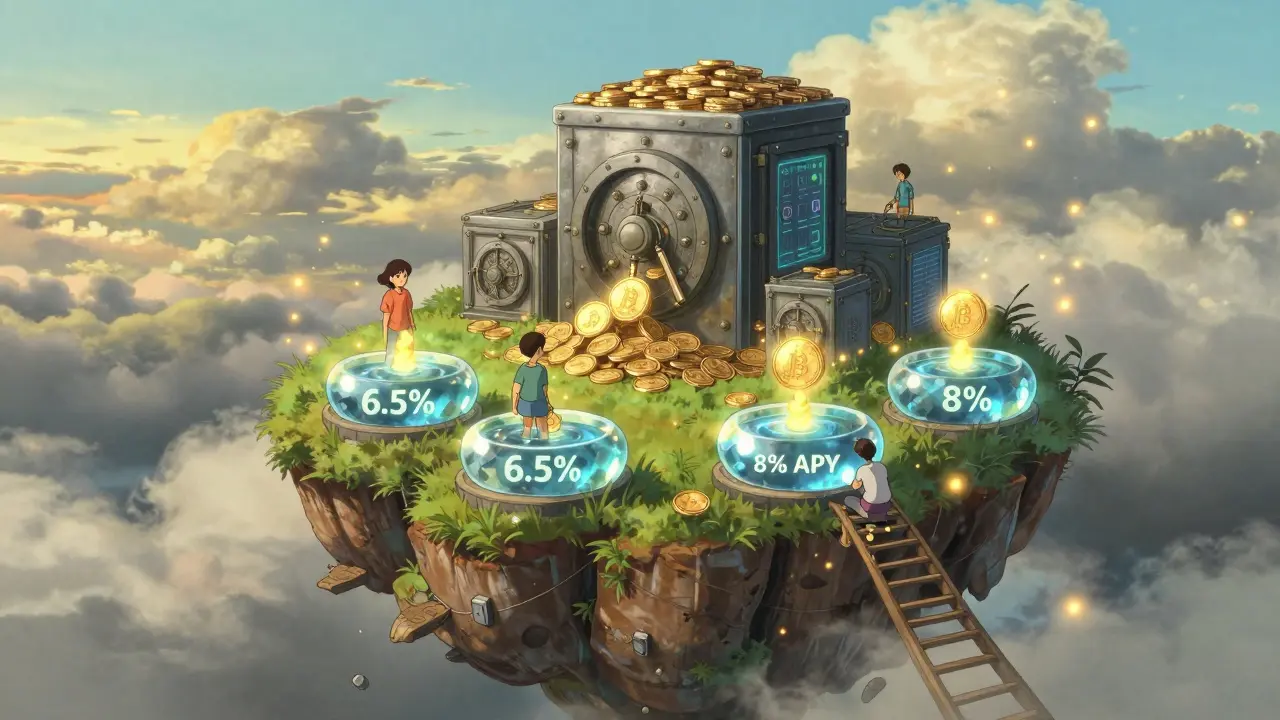
PointPay is a crypto banking platform offering trading, interest-bearing accounts, loans, and staking-all in one place. With EU licensing and up to 20% APY on PXP tokens, it's ideal for long-term crypto holders seeking real financial utility.

Leverage trading regulations are splitting globally in 2026. U.S. forex is capped at 1:50, crypto offers up to 500x, and risk tools are replacing bans. Here's what traders need to know.
COREDAX is a regulated South Korean crypto exchange focused on retail traders. It offers strong security, Korean-language support, and wire-only fiat deposits-but lacks global payment options, APIs, and a wide coin selection.

Crypto trading volume dropped sharply in 2025 after new regulations like the U.S. GENIUS Act and EU MiCA forced exchanges to restrict tokens and users. Despite Bitcoin hitting new highs, volume fell 28%-not because people lost interest, but because access became limited. This was a market maturing, not collapsing.

Kraken blocks crypto trading in over 20 countries and imposes complex rules in the U.S., Europe, Australia, and Japan. Learn which jurisdictions are restricted, why, and what you can still do.

Merchant adoption of crypto payments is accelerating in 2026, driven by stablecoins, lower fees, and global reach. Businesses from gaming to SaaS are cutting out banks and accepting crypto to serve customers faster and cheaper.

UBEX crypto exchange is a low-volume app with a nearly worthless token and no real users. Despite its clean interface, it lacks liquidity, regulatory compliance, and community trust. Avoid it and stick to established exchanges.

Monero (XMR) is the only major cryptocurrency that hides every transaction by default-sender, receiver, and amount. Learn how its privacy tech works, who uses it, and why regulators want to ban it.

Life (LIFE) crypto is a token for a nickname-based wallet that hasn't gained traction. With a market cap under $80K, crashing apps, and almost no development, it's a speculative asset with little real utility.

NovaExchange is a niche crypto exchange for trading obscure altcoins with no fiat support. It offers 400+ tokens but has slow withdrawals, no security transparency, and isn't for beginners. Learn if it's worth the risk.

RCP Swap is a tiny, low-liquidity DEX with only $2,083 in daily volume and 5 listed tokens. It's not safe, not useful, and not worth your time. Here's why you should avoid it.