
Explore real-world healthcare blockchain implementation examples, from MedRec to Avaneer Health. Learn how smart contracts are reducing medical errors and speeding up insurance claims.

Explore DePIN token economics: learn how decentralized physical infrastructure networks use tokens to build real-world hardware networks and generate sustainable revenue.

Discover how blockchain and smart contracts are eliminating $40 billion in annual charity fraud by providing real-time transparency and immutable donation tracking.

Explore the essential legal frameworks for RWA tokenization. Learn about SPVs, MiCA regulation, the Howey Test, and how to ensure digital tokens have real-world legal enforceability.

An in-depth analysis of smart contract execution costs across major blockchains, comparing Ethereum, Solana, Polygon, and others.
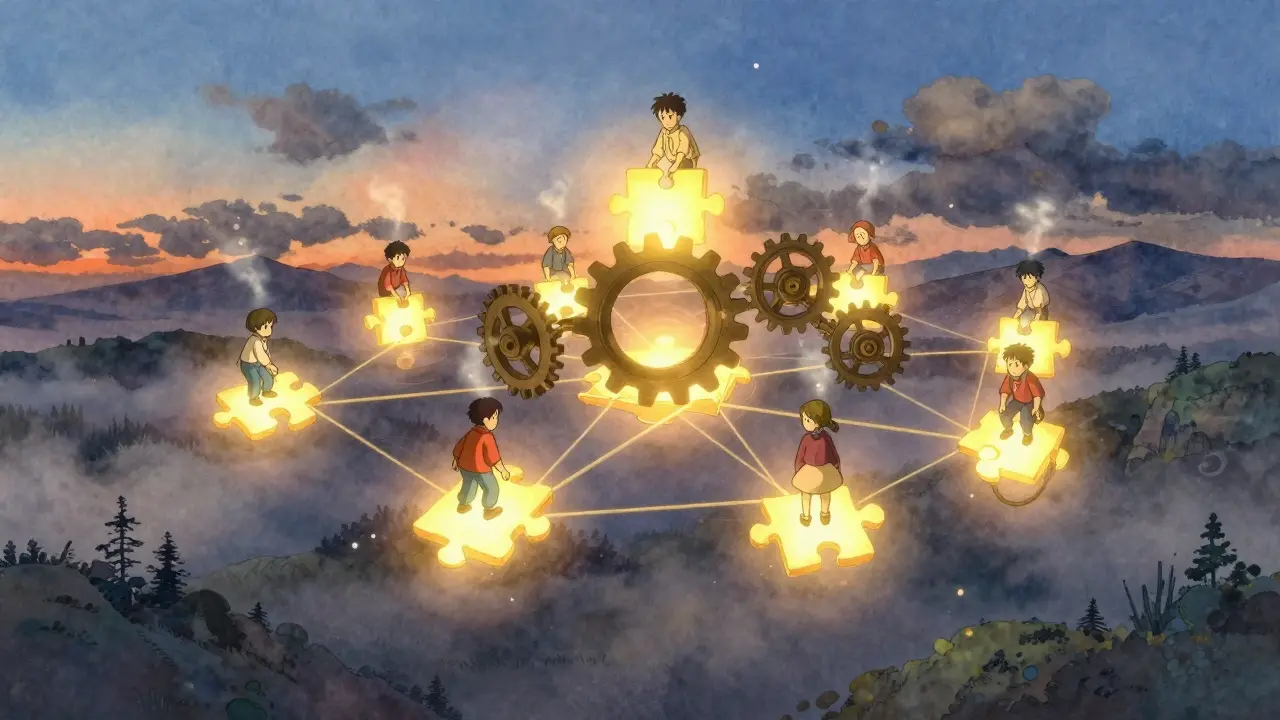
From Bitcoin's energy-heavy Proof of Work to Ethereum's efficient Proof of Stake and beyond, consensus algorithms have transformed blockchain's capabilities. Learn how each method evolved-and what's next for decentralized trust.

Blockchain removes middlemen by replacing banks, brokers, and platforms with decentralized, code-based systems that verify transactions directly between users. It's already cutting costs in payments, advertising, and royalties.
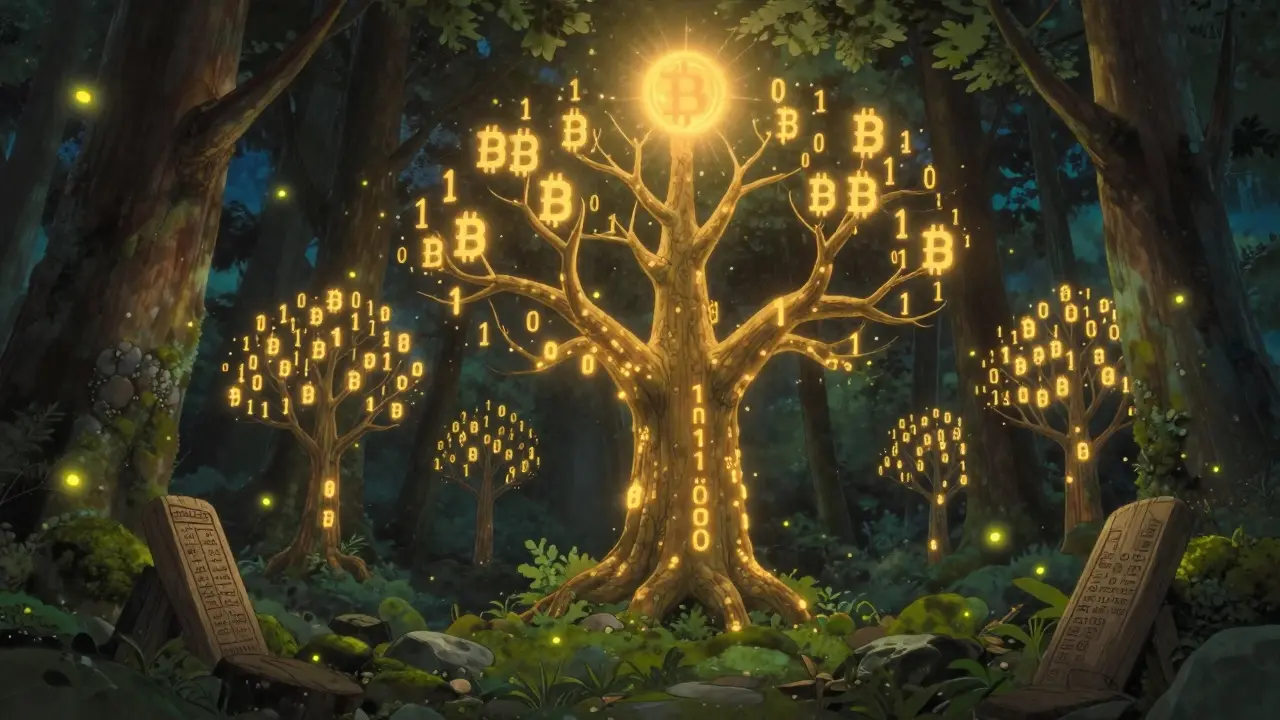
Binary Merkle Trees power Bitcoin's transaction verification, while Merkle-Patricia Trees enable Ethereum's dynamic state management. Learn how these two structures differ in design, performance, and purpose.

Schnorr signatures replaced ECDSA in Bitcoin after Taproot, offering smaller signatures, better privacy, faster verification, and native multisig aggregation. Here's how they work and why they matter.

Blockchain-as-a-Service (BaaS) lets businesses use blockchain technology without building their own infrastructure. Learn how it works, who uses it, and why it's the fastest way to adopt blockchain for supply chain, finance, and identity tracking.

Data availability layers are the hidden backbone of scalable blockchains. They let rollups process thousands of transactions per second while keeping security intact-without forcing every node to store terabytes of data.

Explore how AI, cross‑chain tech and new virtual machines are reshaping smart contracts in dApps, with market data, use cases, challenges, and a step‑by‑step adoption guide.